A house that works for everyone in the family rarely happens by accident. Between school runs, remote work calls, a dog that wants the garden door open at all hours and a toddler who has just discovered stairs, most homes are asked to do far more than they were originally designed for. The good news is that a family-friendly home doesn't need a full renovation — it needs a home that adapts easily to the seasons, welcomes children and pets without constant compromise, and still leaves room to relax at the end of the day. This article looks at practical, low-drama ways to get there, room by room and season by season.
Why Modern Homes Need Flexible Spaces
In short: Today's homes are asked to serve as offices, playrooms, dining rooms and quiet retreats within the same few hours — often in the same room. Flexibility, not extra square footage, is usually what makes this work.
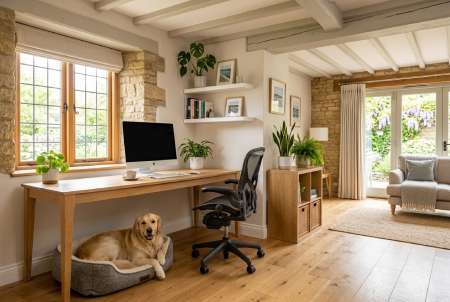 A generation ago, a spare room was either a bedroom or it wasn't used much at all. Now it might be a home office on Monday morning, a wrapping-paper station in December, and a spot for a fold-out bed when grandparents visit. Remote and hybrid work has pushed this further: a corner of the living room or a converted alcove under the stairs has become, for many British families, the difference between a productive Tuesday and a stressful one.
Family routines add another layer. Mornings are a scramble of shoes, school bags and breakfast; evenings might involve homework at the kitchen table followed by that same table being cleared for dinner an hour later. Pets complicate the picture too — a dog that needs a quiet corner away from a toddler's toy trucks, or a cat that has strong opinions about which windowsill belongs to it. Add in the British weather, where a garden that's usable in July can feel entirely off-limits by November, and it becomes clear why a single-purpose room is something of a luxury most households can't really afford.
This is where multifunctional furniture earns its keep. A storage ottoman that opens up for spare blankets, a desk that folds flat when the workday ends, a bench with drawers underneath for shoes and dog leads — these small choices reduce the daily friction of a house that has to be several things at once. None of this requires buying everything new; it's usually a case of rethinking what a handful of key pieces need to do, rather than adding more furniture to spaces that are already busy.
Expert Tip: Before buying anything new, walk through a typical weekday and weekend in your home and note which rooms change purpose more than once a day — those are the spaces worth making flexible first.
Key Takeaways
- Modern homes juggle work, family life, pets and changing weather within the same rooms.
- Flexibility matters more than extra space — one room can serve several purposes if it's set up well.
- Multifunctional furniture (fold-away desks, storage seating) reduces daily clutter and stress.
- Family routines — mornings, homework, mealtimes — run more smoothly when spaces are planned around them, not against them.
Planning Indoor Spaces That Work Every Day
In short: Each core room — office, storage, living room, dining area, hallway and bedroom — has its own everyday pressures. Small, considered changes tend to help more than a full redesign.
Home Office
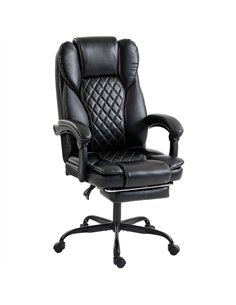
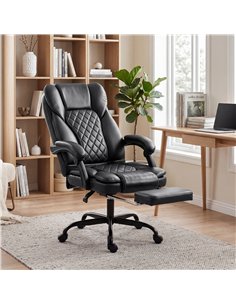
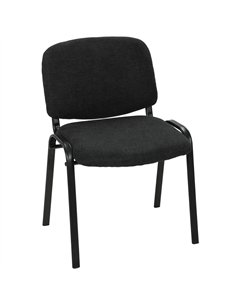
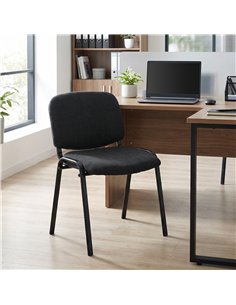
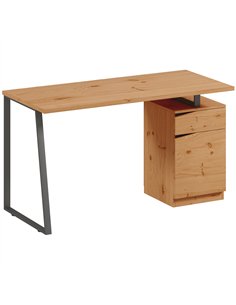
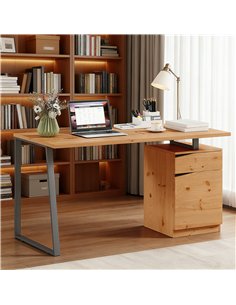
A home office doesn't need a spare room to function well; a defined corner with the right chair and desk is often enough. Comfort matters more than most people expect here — a supportive office chair and a desk at the correct height can be the difference between an afternoon of focus and a stiff back by 4pm. For families sharing a workspace with children's homework or hobbies, a desk that can be tidied away or turned to face a different direction at the end of the day helps the room switch roles without a full reset.
Storage
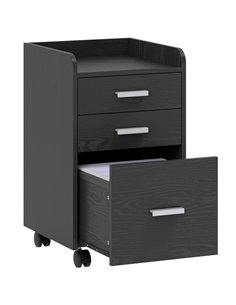
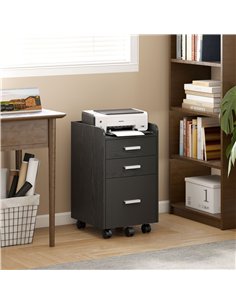
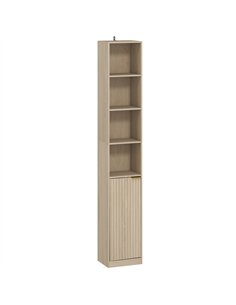
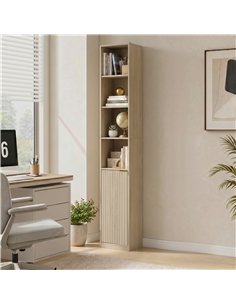
Clutter tends to build up fastest in rooms with the most daily traffic — hallways, kitchens, home offices. A bookcase does more than hold books; it can separate a work corner from a play area, or simply give paperwork, toys and everyday odds and ends a proper home instead of the nearest flat surface. Dedicated storage furniture — cabinets, shelving units, under-stair solutions — pays for itself quickly in households with children, where the volume of "things" tends to grow faster than the space available for them.
Living Room
This is usually the room with the most competing demands: relaxing in the evening, playing with children in the afternoon, and hosting friends at the weekend. A coffee table with storage underneath, or a sofa with deep enough arms to double as side tables, keeps the room adaptable without looking like a warehouse of children's toys.
Dining Area
For many British homes, the dining table is also the homework table, the craft table and the place bills get sorted. An extendable table suits this kind of role well, since it can shrink down for a weeknight meal and expand for visiting family.
Hallway
Hallways absorb an enormous amount of daily wear — shoes, coats, dog leads, school bags. A bench with a shoe rack underneath, or hooks at two different heights for adults and children, can noticeably cut down the morning chaos.
Bedroom
Bedrooms benefit from calm, uncluttered layouts, particularly in children's rooms where toy storage and bed frames need to work together rather than compete for floor space.
| Room |
Common Daily Pressure |
Practical Fix |
| Home office |
Shared use, posture strain |
Adjustable chair, foldable desk |
| Hallway |
Shoes, coats, bags piling up |
Bench with storage, tiered hooks |
| Living room |
Toys, guests, relaxation, all at once |
Storage coffee table, flexible seating |
| Dining area |
Meals, homework, crafts |
Extendable table |
Expert Tip: Start with the hallway. It's the smallest space on this list but the one most families notice first thing every morning, so a modest change there tends to feel disproportionately worthwhile.
Key Takeaways
- A defined home office corner, rather than a whole spare room, is usually enough for productive remote work.
- Storage furniture like bookcases and cabinets prevents clutter build-up in high-traffic rooms.
- Hallway storage (benches, tiered hooks) reduces the daily scramble for shoes and coats.
- Extendable dining tables suit households where the table serves several purposes across the day.
Why More British Families Are Spending Time Closer to Home
In short: Rising travel costs, unpredictable weather abroad and simply valuing unstructured time together have pushed many British families towards staycations and weekends spent in the garden rather than on the road.
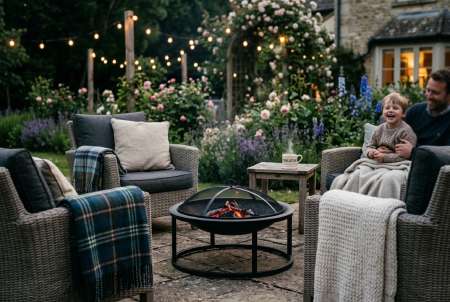 The idea of a "staycation" has moved well past being a budget compromise. For a growing number of families, a weekend spent at home — slow mornings, no packing, no airport queues — has become the preferred option rather than the fallback one. A Saturday might mean a lie-in followed by breakfast in the garden rather than a rushed drive to catch a ferry, and a Sunday afternoon might be a barbecue with neighbours instead of a long journey home from somewhere else.
Much of this shift comes down to the garden doing more work than it used to. Outdoor meals have become a regular fixture rather than an occasional treat, children have space to play without needing to be driven anywhere, and dogs get the run of a garden instead of a lead-only walk around the block. Friends dropping round for a garden party or a few hours around a fire pit on a summer evening has, for many households, largely replaced the idea that a good weekend has to involve leaving the house at all. Even camping has found its way into the garden itself, with a tent pitched on the lawn giving children an adventure without anyone needing to drive anywhere.
This has turned outdoor living into something closer to a daily habit than an occasional weekend activity. Morning coffee taken outside before the day starts, working from the patio on a warm afternoon when the laptop can just as easily sit on a garden table, and reading a chapter outside instead of on the sofa are all small shifts that add up. Family breakfast outdoors on a Saturday, the first dog walk of the day taken slightly longer because the weather allows it, a garden cinema set up with a projector and a sheet for a Friday night film, and a fire pit lit as the evening cools down are the kind of small, repeatable rituals that make a garden feel lived-in rather than decorative. None of this requires elaborate planning — mostly it requires the garden being comfortable and ready to use whenever the mood strikes, rather than something that needs setting up from scratch each time.
For families who still enjoy getting away, this doesn't have to mean choosing between staying home and travelling. A well-equipped camping setup makes it just as easy to take that same outdoor comfort further afield for a weekend, while a garden fitted out for daily use — browsing the wider Garden & Outdoor range is a good starting point — means there's always a good option close to home when a longer trip isn't practical. Either way, the appeal is the same: less time spent organising, more time spent actually enjoying it.
Expert Tip: If evenings outside tend to end early because the garden gets cold, that's usually the single biggest barrier to using it more — solving it with a fire pit or patio heater often extends outdoor time by a couple of hours a night.
Key Takeaways
- Staycations and garden-based weekends have become a genuine preference for many families, not just a cost-saving measure.
- Outdoor meals, garden parties and evenings with friends have shifted from occasional to routine.
- Outdoor living now shows up in daily habits — morning coffee, working from the patio, evening fire pits — rather than only on special occasions.
- A comfortable, ready-to-use garden and a good camping setup can complement each other rather than compete.
Making Gardens More Comfortable Throughout the Year
In short: A garden that only works in July isn't working hard enough. With the right furniture, shelter and lighting, most British gardens can stay genuinely usable across spring, summer, autumn and even parts of winter.
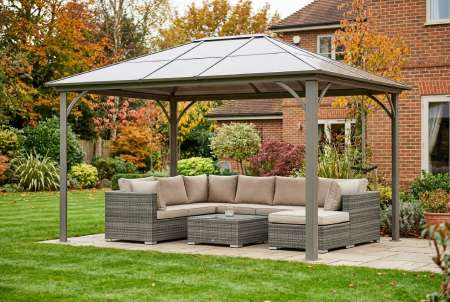 Outdoor living in the UK comes with a built-in challenge: the weather rarely cooperates for long. A garden that's full of family barbecues in June can feel abandoned by October, not because anyone's lost interest, but because it's no longer comfortable to sit in. The gardens that get used year-round tend to share a few features — some shelter from wind and rain, comfortable seating that doesn't need to be dried off before use, and a bit of warmth once the evenings draw in.
Spring
Spring is largely about recovery — checking garden furniture for damage after winter storage, giving seating a proper clean, and getting beds and pots ready before the growing season picks up pace.
Summer
Summer is when gardens are used hardest: barbecues, long evenings outside, children playing until it's nearly dark. This is the season where a BBQ area with nearby seating and shade earns its keep, and where garden lighting — string lights, solar lanterns, a few well-placed spotlights — extends the usable hours well past sunset.
Autumn
Autumn brings shorter days and less predictable weather, which is where a gazebo or a covered seating area makes a real difference; it allows a family to keep using the garden on the many days that are dry but not warm enough to sit fully exposed. Outdoor heating — a patio heater or a fire pit, used with the manufacturer's safety guidance and enough ventilation — can stretch autumn evenings outside considerably.
Winter
Winter is largely about protection: cushions and soft furnishings brought indoors or into dry storage, furniture covered or moved under shelter, and any tools or accessories cleared away before frost sets in.
A gazebo is worth particular mention for British gardens, since it solves two problems at once — shade in summer, and shelter from light rain the rest of the year — without the cost or commitment of a permanent structure. For smaller gardens or terraces, a compact patio set with fold-flat chairs often makes more sense than a large fixed table that dominates the space year-round.
| Garden Furniture Material |
Weather Resistance |
Maintenance Needed |
| Rattan (synthetic weave) |
Good with cover in winter |
Occasional wipe-down, cover recommended |
| Hardwood (e.g. teak) |
Very good long-term |
Annual oiling helps retain colour |
| Metal (aluminium) |
Good, doesn't rust like steel |
Low; wipe clean, dry after rain |
| Fabric/textile sling |
Fair; best stored in winter |
Cushions need dry, covered storage |
Requirements for weatherproofing and material durability vary between manufacturers and product ranges, so it's worth checking the specific care guidance for a chosen piece rather than assuming all garden furniture behaves the same way.
Expert Tip: If you can only invest in one thing to extend the garden season, make it shelter rather than heating — a dry, covered spot keeps a garden usable on far more days of the year than warmth alone.
Key Takeaways
- Comfortable gardens need seasonal adjustments, not just summer furniture.
- Gazebos extend usable garden time by offering shade in summer and shelter in autumn.
- Outdoor heating and garden lighting are what typically stretch evening use into cooler months.
- Material choice for garden furniture affects both weather resistance and how much upkeep it needs.
Creating Safe Outdoor Spaces for Children and Pets
In short: A garden that's genuinely family-friendly needs to work for children and pets at the same time — which usually comes down to safe surfaces, secure boundaries, some shade, and a sensible place to store everything in between.
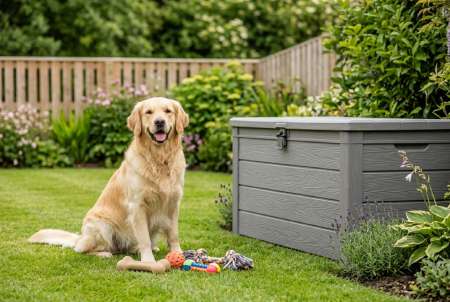 Gardens shared by children and pets tend to run into the same handful of issues: muddy paws on the patio, a dog that treats the flower beds as its own, or a toddler wandering too close to an unfenced pond. None of these need a dramatic solution — mostly they call for a bit of forward planning.
Choosing pet-friendly surfaces
Grass is comfortable underfoot but can turn to mud quickly with a boisterous dog, particularly through a wet British autumn. Many families find a mix works best — a hard-wearing patio or decking area for daily use, with grass kept for the parts of the garden that get lighter traffic.
Safe fencing
Boundaries that are secure for a dog aren't always the same as boundaries that are safe for a young child, so it's worth checking gaps at ground level as well as overall height. Local requirements and recommended fence specifications can vary, so it's sensible to check current guidance for the specific type of pet or garden feature involved.
Shade
Both children and pets overheat more easily than adults in warm weather, so at least one shaded spot — whether from a tree, a gazebo, or a simple sail shade — is genuinely useful rather than decorative.
Water
A paddling pool or a dog's water bowl left outdoors needs to be checked regularly, both for safety around young children and for hygiene in warmer weather. Keeping a spare set of pet bowls outside specifically for the garden saves carrying one back and forth from the kitchen every time.
Storage
Toys, balls and pet accessories left scattered around a garden are a common cause of trips and falls. A dedicated garden storage box keeps outdoor items dry, tidy and out from underfoot between uses.
Outdoor toys
Rotating which toys are left outside, rather than leaving everything out permanently, tends to keep a garden tidier and reduces the amount that's left exposed to the weather.
Cleaning
A quick weekly check for anything a dog might have dug up, along with clearing away food waste after garden meals, helps keep the space appealing to use rather than something to avoid.
For the essentials themselves, a well-chosen set of pet supplies makes outdoor time easier to manage — a sturdy dog bed positioned in a shaded, sheltered spot gives a pet somewhere comfortable to settle without needing to come indoors every time the family does, while durable pet toys suited to outdoor use hold up better than indoor ones left out in the rain.
Expert Tip: Walk the garden boundary at your dog's eye level, not your own — gaps and weak points that are easy to miss standing up are usually obvious from a lower angle.
Key Takeaways
- A mix of hard surfaces and grass usually suits gardens shared by children and dogs better than grass alone.
- Fencing needs checking at both ground level (for pets) and full height (for children).
- Shade and regularly checked water are basic but often overlooked safety essentials.
- Garden storage for toys and pet accessories reduces trip hazards and keeps items usable for longer.
Preparing Your Home for Seasonal Changes
In short: Each season brings its own short checklist for house and garden — what to change, what to clear away, what to inspect, and what's worth buying ahead of time.
Spring
Spring is the natural reset point. It's worth changing over heavier winter bedding for lighter options, clearing the garden of anything left over from winter storage, checking garden furniture and fencing for damage, and picking up any replacement cushions or covers before the first warm weekend arrives.
Summer
Summer calls for fewer changes but more use — this is when outdoor storage gets tested daily, so it's worth checking that garden boxes and sheds are dry and organised. It's also a sensible time to check outdoor lighting is working before the evenings when it's actually needed.
Autumn
Autumn is largely about protection ahead of the colder months: bringing cushions and soft furnishings indoors, checking that a gazebo or cover is secure against wind, and clearing gutters and drains before leaves cause blockages. It's also worth checking outdoor heating equipment is in good condition before it's needed for the first cold evening.
Winter
Winter is the season for storage and inspection rather than active use. Garden furniture should be covered or moved under shelter, hoses and outdoor taps checked for frost risk, and indoor storage reviewed so that seasonal items — decorations, winter sports kit, spare bedding — are easy to find rather than buried at the back of a cupboard.
Expert Tip: Keep a simple two-line note on your phone each time you pack furniture away for winter — what's covered, what's stored, what needs replacing — so spring setup takes minutes rather than a full afternoon of guesswork.
Key Takeaways
- Spring is the main reset point for both home and garden.
- Summer maintenance is mostly about keeping outdoor storage and lighting ready for daily use.
- Autumn preparation focuses on protecting furniture and clearing drainage before winter weather sets in.
- Winter is largely about proper storage — covering furniture and checking for frost risk.
Simple Storage Ideas That Reduce Everyday Stress
In short: Most household stress around clutter comes down to a handful of predictable spaces — garage, shed, hallway, utility room and children's toy storage — each of which responds well to a fairly simple fix.
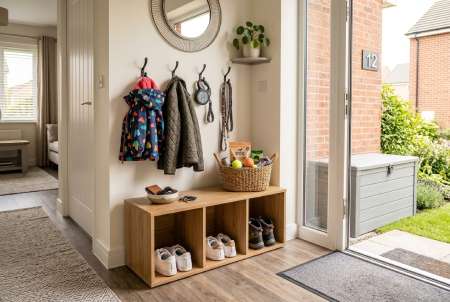 The garage often ends up as the default home for anything without an obvious place elsewhere, which makes it worth reviewing every so often rather than letting it fill up indefinitely. Wall-mounted storage keeps the floor clear for a car or bikes, while labelled boxes make it easier to find seasonal items without unpacking everything.
The garden shed works best when it's organised by category — tools in one area, cushions and covers in another — rather than as a single pile that grows over the year. The hallway and utility room benefit from the same basic principle: a fixed spot for shoes, coats, cleaning supplies and pet accessories means less searching and fewer things left out on worktops or floors.
Children's toys tend to multiply faster than almost anything else in a family home. Baskets or boxes that are easy for children to use themselves — low enough to reach, simple enough to tidy into without help — usually work better long-term than a single large toy chest that becomes a jumble.
Pet accessories — leads, towels, spare bowls, grooming kit — are easy to lose track of if they don't have a fixed home near the door. A small dedicated box or shelf by the entrance most families use to leave and enter with a dog tends to solve this quickly.
Outdoor cushions and garden equipment benefit from weatherproof storage that keeps them dry between uses, rather than being left out to fade or become damp, which shortens their lifespan considerably.
When storing outdoor cushions, garden tools, or seasonal gear in the garage or shed ahead of winter, ensure items are raised off the ground and sealed in hard plastic storage boxes. This not only protects them from damp and autumn rain but also prevents rodents and pests from causing unexpected damage over the colder months.
| Storage Type |
Best Suited For |
Main Benefit |
| Wall-mounted shelving |
Garage, utility room |
Keeps floor space clear |
| Weatherproof storage box |
Cushions, garden tools |
Protects items from damp and fading |
| Low open baskets |
Children's toys |
Easy for children to tidy independently |
| Entrance shelf/box |
Pet leads, towels, bowls |
Everything needed is by the door |
Expert Tip: Sort by category before you buy storage, not after — boxes bought first tend to get filled with whatever's nearby rather than what actually belongs together, which defeats the point fairly quickly.
Key Takeaways
- The garage and shed benefit from category-based organisation rather than open-ended piling.
- Low, accessible toy storage encourages children to tidy up themselves.
- A fixed spot for pet accessories near the door saves time on every walk.
- Weatherproof boxes extend the life of outdoor cushions and equipment considerably.
Frequently Asked Questions
How do I create a family-friendly garden?
Focus on a mix of durable surfaces, secure fencing, some shade, and dedicated storage for toys and pet items. Comfort and safety tend to matter more than styling.
What furniture is best for outdoor entertaining?
A sturdy dining set suited to the garden's size, paired with some form of shelter such as a gazebo, generally covers most entertaining needs across the British summer and into early autumn.
How can I organise a small home?
Multifunctional furniture — storage ottomans, extendable tables, fold-away desks — tends to help more in small homes than buying additional pieces, since it reduces how much furniture is needed overall.
How do I keep a garden safe for dogs?
Check fencing at ground level for gaps, choose hard-wearing surfaces for high-traffic areas, and keep water available and checked regularly, particularly in warm weather.
How should outdoor furniture be stored in winter?
Cushions and soft furnishings are best kept dry indoors or in weatherproof storage, while furniture itself should be covered or moved under shelter where possible to reduce weather damage.
What are the best storage ideas for busy families?
Category-based storage in the garage and shed, low accessible toy baskets, and a fixed spot near the door for pet accessories are among the simplest changes with the most noticeable everyday impact.
Do I need a gazebo if I already have a patio?
A patio provides the surface, but a gazebo adds shade and rain shelter, which is often what actually determines how many extra days a year the garden gets used.
What's the easiest first step towards a more organised home?
Most families find it easiest to start with whichever space causes the most daily friction — often the hallway or the toy storage — rather than trying to reorganise the whole house at once.
Expert Tip: If you're only going to make one change this month, pick the question above that matches your current biggest frustration — small, targeted fixes tend to stick better than a long list tackled all at once.
Conclusion
A family-friendly home isn't really about having more space or more furniture — it's about the space working with the rhythm of daily life rather than against it. A hallway that copes with muddy shoes, a garden that's still usable in October, a home office corner that can close down at 6pm and become part of the living room again — these small pieces of flexibility add up to a house that feels considerably calmer to live in.
The garden tends to be where this pays off most visibly, and it's increasingly where families are choosing to spend their time in the first place. Comfortable, well-equipped outdoor space turns a garden from something used a few weekends a year into a genuine extension of the home — ready for a quiet coffee in the morning, a working afternoon, or friends round for the evening, without any of it needing much advance planning.
Indoors, the same logic holds. A well-chosen desk and office chair, a bookcase that doubles as a room divider, and enough storage furniture throughout the home office and living spaces prevent the daily clutter that builds up in busy households. And for the four-legged members of the family, the right pet supplies — from a comfortable bed to reliable feeding equipment and durable outdoor toys — make it easier for pets to fit into family routines rather than compete with them.
None of these changes need to happen at once. Most families find it easier, and more affordable, to tackle one problem area at a time — starting with whichever room or corner of the garden currently causes the most frustration. Over a season or two, these smaller adjustments tend to add up to a home that genuinely works for everyone in it, however different their daily needs might be.
Expert Tip: Revisit this list once a season rather than once a year — British weather changes what "family-friendly" actually needs far more often than most home improvement advice accounts for.