Your cart
There are no more items in your cart
The bicycle has changed remarkably little in its basic purpose: it gives people a simple way to move using their own energy. What has changed is the way designers think about materials, manufacturing, accessibility, and the experience of getting from one place to another.
One particularly interesting example is the Epo bicycle, a 2014 graduation project by designer Bob Schiller at Design Academy Eindhoven. Rather than simply creating another city bike, Schiller explored how a bicycle could be designed around a different manufacturing process. The Epo frame was formed from two aluminium sheets and spot-welded, with the project aiming to make production more automated and cost-efficient. It also used a carbon belt drive rather than a conventional chain.
The Epo is interesting not because it became a mainstream bicycle, but because it demonstrates an important principle in transport design: the way a vehicle is made can influence how it looks, works, and ultimately who can access it.
At FastDaddyshop, we believe that same principle can be seen when looking at children's transport today. A child's journey from their very first wheels to battery-powered vehicles is not simply a progression in size. Each stage introduces a different combination of balance, steering, propulsion, and control, shaping how young riders interact with the world around them.
This guide looks at that progression, beginning with the industrial design lessons of the Epo bicycle and exploring the full spectrum of modern children's transport options available today.
What Was the Epo Bicycle?
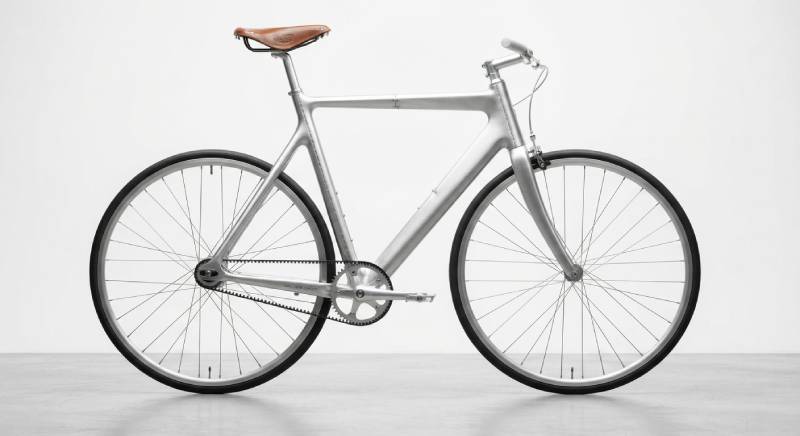 The Epo was a Dutch city-bike design project created by Bob Schiller as a graduation project at Design Academy Eindhoven in 2014. Its significance lies in the fact that Schiller did not approach the bicycle solely as a finished object. The project considered how the bicycle could be manufactured in the Netherlands in a more automated and potentially lower-cost way, making it as much an industrial-design milestone as a transport project.
Traditional bicycle frames are commonly constructed from tubes that are cut, joined, and welded. Epo instead explored the possibility of forming the main frame from two pressed aluminium sheets spot-welded together. By removing unnecessary complexity, it highlighted a vital lesson for modern mobility: good design is about efficiency, durability, and matching the manufacturing method directly to the user's ultimate needs.
From Bicycles to Children's Transport: A Progression of Skills
Just as the Epo bicycle challenged traditional manufacturing to improve adult urban mobility, modern children's vehicles are designed around the evolving physical capabilities of a child. Children's transport can be viewed as a progressive ladder of skills rather than just a collection of toys.
1. Developing Balance and Steering
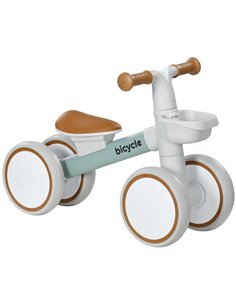
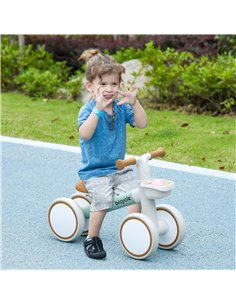
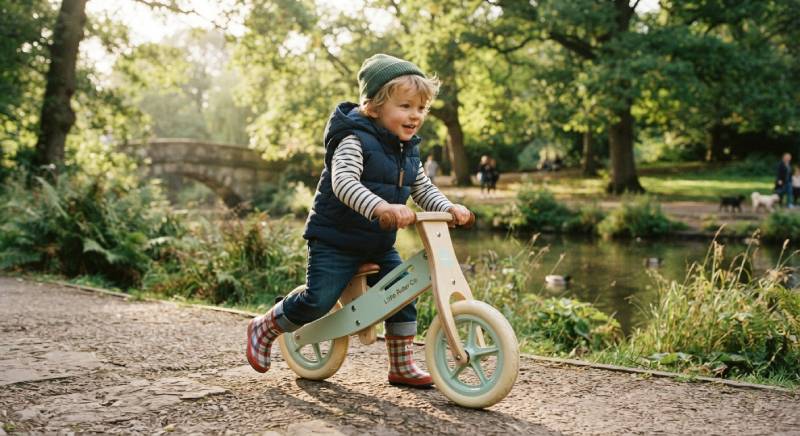 A child's earliest wheeled transport focuses heavily on core stability. A balance bike has no pedals, allowing the child to move by pushing against the ground with their feet while learning to control direction and balance without the added complexity of pedalling. For toddlers building confidence on two wheels, a lightweight balance bike provides the perfect foundation before transitioning to a standard bicycle.
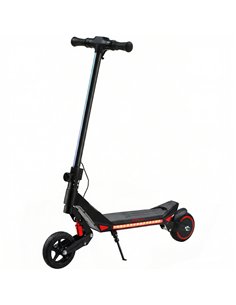
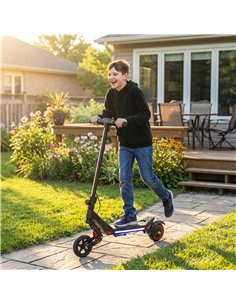
As children grow, children's scooters introduce a different dynamic of balance, requiring a push-off motion with one foot while maintaining stability on a narrow deck. Three-wheel scooter designs are particularly popular in the UK for providing extra lateral stability for younger riders on park paths.
2. Transitioning to Pedal Power
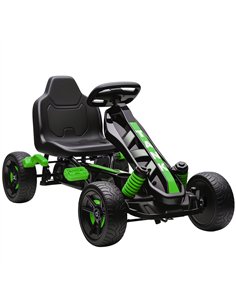
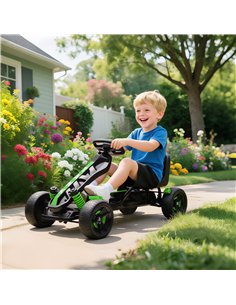
Once balance is established, introducing pedals helps develop bilateral coordination. Classic children's tricycles offer three stable points of contact, allowing toddlers to master the circular pedalling motion without the risk of tipping over. For older children who crave a more imaginative and low-slung racing experience, mechanical pedal cars turn physical effort into interactive play, keeping kids active while teaching basic steering mechanics.
For the youngest adventurers who are still developing their leg strength, push-along cars offer an excellent alternative. These allow parents to assist with steering and propulsion via a rear handle, ensuring the child can enjoy the sensation of movement safely.
The Era of Children's Electric Ride-On Vehicles
Battery-powered ride-ons add another layer to children's mobility. Instead of relying entirely on physical effort, an electric motor provides propulsion, shifting the learning focus from generating power to mastering controlled movement, braking, and spatial awareness.
Kids' Electric Cars
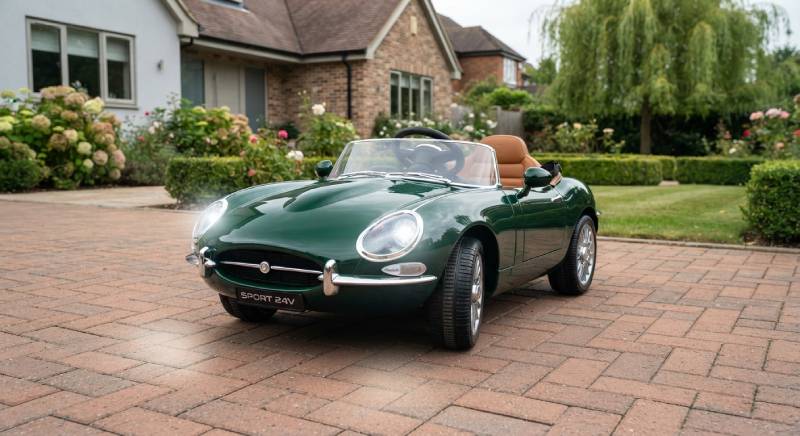 Modern kids' electric cars are scaled-down versions of real-world vehicles, equipped with realistic features such as forward/reverse selectors, LED lights, and parental remote controls for added peace of mind. When choosing an electric ride-on for UK gardens or paved areas, parents should always prioritize build quality, battery voltage (typically 12V or 24V), and appropriate safety harnesses over aesthetic features alone.
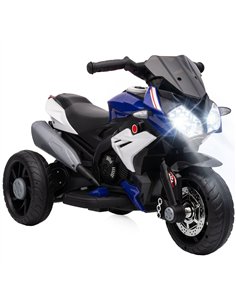
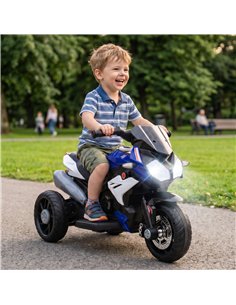
Kids' Electric Motorcycles
For children who prefer a more agile ride, kids' electric motorcycles offer a thrilling two- or three-wheeled experience. These vehicles require a higher level of confidence and balance than four-wheeled cars. UK parents must ensure that seat heights match their child's inseam so they can easily stabilize the vehicle when stationary.
Kids' Electric Quads
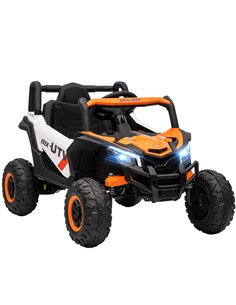
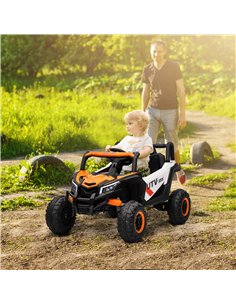
Providing a rugged, off-road style aesthetic, kids' electric quads feature four wide wheels for an incredibly stable footprint. While they handle uneven terrain like grass or gravel better than low-profile cars, adult supervision remains mandatory to ensure safety regarding speed settings and centre of gravity.
Comparing Children's Transport Types
| Type | How it Moves | Main Skill Developed | UK Safety Certifications | Power Source |
|---|---|---|---|---|
| Balance Bike | Foot-to-floor push | Core balance & steering | UKCA / CE Approved | Child-powered |
| Scooter | Single foot push | Unilateral balance | UKCA / CE Approved | Child-powered |
| Tricycle | Pedals | Pedalling coordination | UKCA / CE Approved | Child-powered |
| Pedal Car | Pedals | Steering & leg power | UKCA / CE Approved | Child-powered |
| Push-Along Car | Parental handle/push | Basic steering & sitting | Safety harness required | Manual push |
| Electric Car | Electric Motor | Spatial control & braking | UKCA / Parental Remote | Battery (6V/12V/24V) |
| Electric Motorcycle | Electric Motor | Advanced balance | UKCA Approved | Battery |
| Electric Quad | Electric Motor | Steering & terrain handling | UKCA / Speed Limiter | Battery |
UK Buyer's Checklist: Safety, Storage, and Surfaces
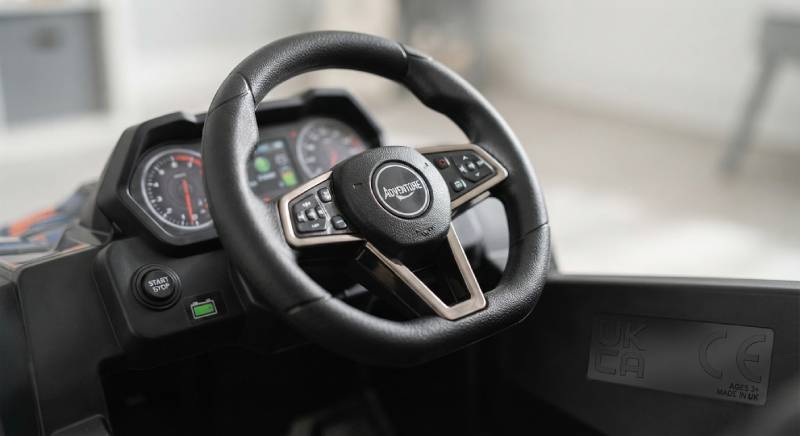 UKCA and CE Marks: Always ensure the vehicle carries valid UKCA (UK Conformity Assessed) or CE certification to guarantee chemical and electrical safety standards.
- Terrain and Weather: Consider where the vehicle will be used. While plastic wheels perform well on smooth tarmac, rubber or EVA tyres are essential for typical UK wet grass and gravel drives.
- Storage Limitations: Electric ride-on cars can be significantly wider than expected. Measure your hallways, garden gates, and shed door openings before purchasing.
- Public Road Restrictions: Please note that all children’s electric ride-ons, quads, and motorcycles are strictly classified as toys. Under UK law (including the Highway Code frameworks), they are not legal for use on public roads or pavements and should only be operated in secure, private gardens or designated driveways under adult supervision.
Frequently Asked Questions
What is the design philosophy behind the Epo bicycle?
The Epo is a notable Dutch urban design concept focused on automated, local manufacturing using pressed aluminium sheets instead of traditional tubes, aiming to optimize production costs and product efficiency.
Can a children's electric car be used on UK pavements?
No. Children’s electric ride-on cars, quads, and motorcycles are designed for private property use only. They do not meet UK road safety regulations for public pavements or highways.
Which children's vehicle is best for developing balance?
Balance bikes are highly recommended as they eliminate pedalling, allowing toddlers to focus entirely on steering and mastering their center of gravity on two wheels.
Conclusion: Matching Vehicle to the Environment
The story of the Epo bicycle is ultimately a story about design decisions - how to blend materials, production, and user experience seamlessly. Children's transport raises the exact same questions at a different scale. From a simple foot-powered balance bike to an advanced 24V electric quad, the key to a successful choice lies in matching the vehicle perfectly to your child's age, physical confidence, and your home riding environment.