Many of us now ask far more of our homes than they were originally designed to give. A single living room may need to work as a place to relax, a desk space, a play area and an occasional spare bedroom, sometimes all in the same day. Add limited floor space, rooms that receive little natural light and a garden or patio that sits unused for much of the year, and it is easy to conclude that the only answer is a bigger property.
In practice, making the most of your home rarely requires major building work. Careful planning, better lighting, well-chosen furniture and a more considered approach to outdoor space can change how a house or flat works from morning to evening, often at modest cost and without moving a single wall.
This guide offers practical ideas for a range of homes across the UK, from compact city flats and terraced houses to family homes with a small garden. Whether you want a more flexible living room, a tidy and comfortable home office, or a patio you can enjoy well beyond the summer months, the sections below will help you decide what to change, what to keep and what to think about before you buy.
Start with the Way You Use Your Space
 It is tempting to begin a home update by browsing for furniture, but the most successful rooms usually start with a simpler question: what do you actually need this space to do? Buying first and fitting things in afterwards often leads to cluttered rooms and pieces that never quite work.
Begin by listing the activities that take place in each room. Most households need some combination of four basic zones:
- Relaxing: seating, a television or a reading corner.
- Working or studying: a desk, a laptop spot or a homework area.
- Storing: shelving, cupboards and places for everyday clutter.
- Sharing: dining, hosting guests or family time.
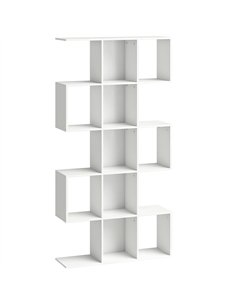
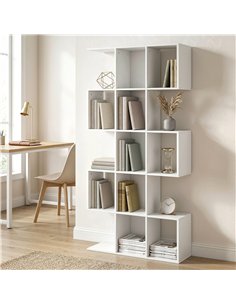
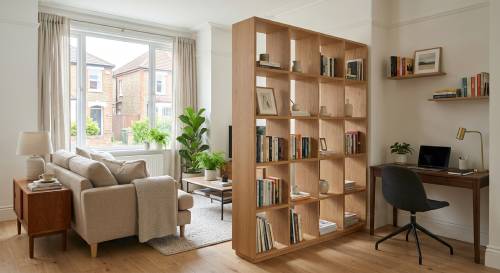
Next, look honestly at which parts of the room are used least. A corner that collects bags, a wall hidden behind a sofa or the space behind a door often goes unused, yet it may be ideal for a slim shelving unit or a small workstation. Thinking vertically also helps: tall bookcases, wall-mounted shelves and units that make use of height can free up valuable floor area.
Finally, consider how people move through the room. Doors need space to open, windows should remain accessible, and the natural routes between doorways should stay clear. A layout that forces everyone to squeeze past furniture will feel cramped, however attractive the pieces are.
A practical example: in a small living room used for both evening relaxation and remote working, you might position a compact desk against a side wall, keep the sofa facing away from it and use a bookcase or storage unit as a gentle visual divider. The room remains a single space, but each activity has its own place.
A striking real-world example of this is the famous NAN Residence warehouse renovation in London by FOF Studio, where a small plot was transformed into a light-filled, flexible family home.
Make Small Rooms Feel Brighter and More Spacious
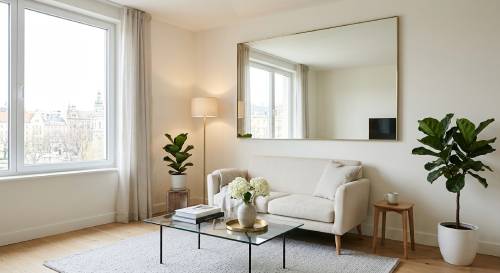 Many British homes, particularly period properties and city flats, have modest room sizes and limited daylight, especially in winter. Furniture cannot replace structural changes, but a few thoughtful decisions can help you make better use of the space and light you already have.
Start with daylight. Keep windowsills and the area directly in front of windows as clear as possible, and avoid placing tall furniture where it blocks the main source of light. Lighter or sheer window dressings can soften glare while still allowing brightness to reach deeper into the room.
Colour also matters. Pale, warm neutrals and soft tones tend to reflect light and make walls feel less imposing, but a room does not need to be uniformly white. Layering textures, adding one or two richer accents and varying tones within the same palette can keep a bright scheme from feeling flat.
Mirrors can be useful when placed with care. Positioned opposite or beside a window, they reflect natural light into the room, while a mirror opposite a cluttered corner will simply double the clutter. Lighting works best in layers: a central light for general use, a table or floor lamp for evenings and focused lighting wherever you read or work. Relying on a single ceiling light often leaves corners dim and rooms feeling smaller.
Furniture with a lighter visual footprint, such as pieces with slim legs, open frames or glass elements, lets you see more of the floor and wall, which can make a space feel less crowded. Keep decorative items to a sensible number, and give surfaces room to breathe. Closed storage is particularly helpful here, since it hides the everyday items that tend to build up on tables, shelves and window ledges.
Choose Furniture That Works Harder
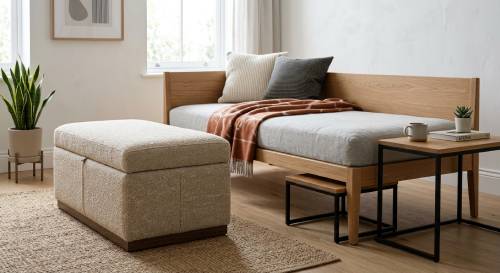 Once you understand how you use a room, you can choose furniture that supports those needs. The aim is not to buy more, but to buy pieces that earn their place.
Scale is the first consideration. Measure the room, the doorways, the stairs and any tight corners the furniture will have to pass through before it arrives. As a general rule, a smaller space benefits from a few well-proportioned pieces rather than many small ones, which can look fussy. Leave enough room to walk comfortably around each item, and check that nothing blocks radiators, windows or access to cupboards.
Folding, extending and multifunctional pieces make sense when a space has to change roles. Examples include:
- storage ottomans that double as seating or a footrest;
- nesting or side tables that can be tucked away when not needed;
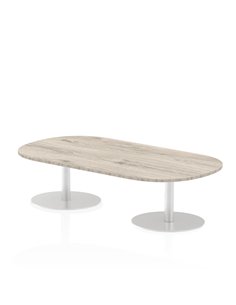
- drop-leaf or extendable tables for occasional dining;
- sofa beds or daybeds for guests;
- furniture on castors that can be moved to suit the occasion.
It is worth being realistic about how your household lives. A family with young children may need durable surfaces and open floor space, while someone living alone might prefer a calmer, more minimal arrangement. A clever piece that is awkward to use every day will soon be ignored.
An example: in a small second bedroom, a large fixed desk can dominate the room and leave little space for anything else. A compact desk, a wall-mounted shelf and a chair that tucks away neatly may be enough for a laptop-based workday, leaving the room free for guests or hobbies at other times.
Create a Comfortable and Practical Home Office
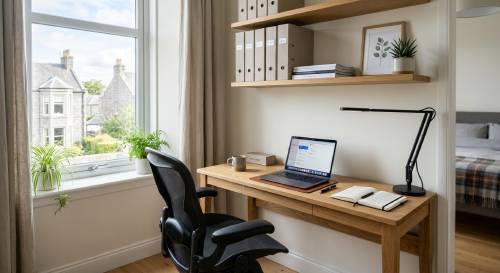 Working from home is now a regular part of life for many people, and a workspace does not have to be a separate room to be effective. A quiet corner of the lounge, a space under the stairs or an alcove in a bedroom can all become a productive area if it is planned thoughtfully.
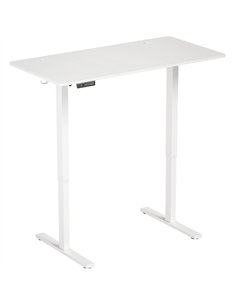
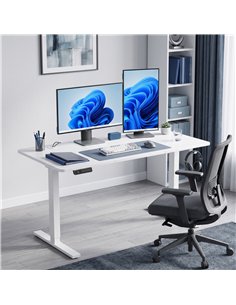
Choose a desk according to the space you genuinely have, not the one you would like to have. A narrow desk, a wall-mounted fold-down surface or a corner design can provide enough room for a laptop, notebook and a few essentials. A smaller, well-organised workspace is often more practical than a large desk that dominates the room and fills up with clutter.
Organisation is just as important as size. Cable trays, clips and sleeves keep wires tidy, while drawers, shelves and box files give paperwork a proper home. A simple rule is to keep only daily essentials on the desk and store everything else within easy reach but out of sight.
Lighting and comfort deserve attention too. If possible, position the desk so daylight reaches it from the side, which helps reduce glare on the screen. A task lamp offers extra light on darker days. Make sure you can open a window or air the room regularly, and choose a supportive chair that suits the amount of time you spend sitting.
Where a desk shares a room with a sofa or bed, separation helps you switch off at the end of the day. Even a simple screen, bookcase or change in rug can signal where work ends and relaxation begins. If you are looking for desks, chairs, storage and accessories to suit a smaller workspace, you can explore our Home & Office collection.
Bring More Flexibility into Everyday Living
A flexible home is one where rooms can change their purpose as the day, or the household, requires. A dining table might become a homework station after school, a living room might host a yoga session in the morning and a film night in the evening, and a spare room might serve as both an office and a guest bedroom.
Practical flexibility often comes from a few simple choices:
- rooms that can serve more than one purpose without feeling cluttered;
- lightweight or wheeled furniture that is easy to move;
- space for guests, family time and remote working to coexist;
- a sensible balance between open-plan spaces and areas of privacy.
Open-plan layouts offer light and a sense of connection, but they can also mean noise, less privacy and nowhere to retreat. Rugs, shelving units, curtains and changes in lighting can help define separate zones without building anything. In a more traditional layout with smaller rooms, doors can be left open to link spaces for entertaining and closed again when quiet is needed.
Flexibility does not have to mean rearranging everything. Sometimes the most effective change is a better furniture layout, a more sensible use of an underused corner or a storage solution that keeps the room ready for its next role.
Extend Your Living Space into the Garden or Patio
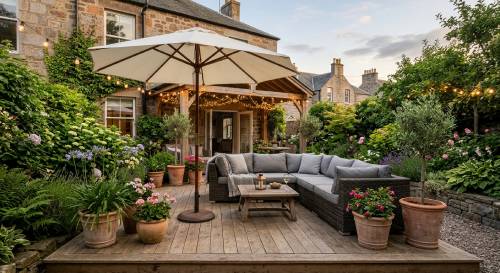 For many households, a garden, patio or balcony is the most overlooked space they own. Used well, it can become a practical extension of the home, a place to unwind, eat, read or spend time with friends. That said, not every outdoor area can or should become a full "outdoor room", and a sensible plan will reflect the size, aspect and condition of your space.
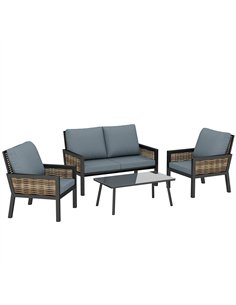
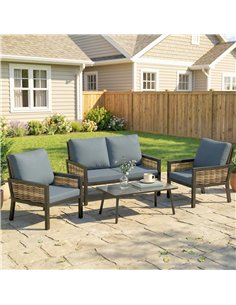
In a small patio or compact garden, start with one clear purpose. A bistro set for morning coffee, a lounge corner for evenings or a simple dining table for weekend meals will often work better than trying to fit everything in. Choose furniture in proportion to the area: you should be able to pull out chairs, walk around the table and reach any gate or door without squeezing past. Folding, stackable or lightweight pieces can be particularly useful where space is tight.
Think about how you want to use the space. A relaxed seating corner with cushions and a side table suits reading and downtime, while a dining set with enough chairs makes hosting friends more comfortable. Small touches such as outdoor lighting, plants in pots and a weatherproof rug can make the area feel more welcoming without overcrowding it.
Shade and shelter can extend the useful life of an outdoor space. Gazebos, awnings, parasols and other covers can provide protection from sun and light showers, although none of them will make a garden usable in every kind of weather. If you are considering a larger or more permanent structure, check the relevant planning and building requirements, and any restrictions that apply to your property, before you buy.
British weather calls for practical choices. Look for materials that cope with damp and temperature changes, position seating where it will not sit in permanent shade or constantly catch the wind, and plan where cushions and furniture can be stored in wet or cold months. Covers, storage boxes and a dry place to stow cushions will help your furniture last longer. To see ideas for seating, dining and shelter, browse our Garden & Outdoor range.
Make Your Home and Outdoor Space Work Together
Indoor and outdoor areas tend to work best when they feel connected. Rather than planning each in isolation, consider how they might support one another through the day.
A few simple choices can help:
- Consistent colours and materials. Echoing tones, textures or finishes from the living room on the patio can make the two spaces feel like part of the same home.
- Easy access. Where the layout allows, keep the route to the garden door clear, so stepping outside feels natural rather than a chore.
- A shared daily rhythm. Breakfast on the patio, working indoors during the day and relaxing outside in the evening makes use of both spaces at the right time.
- Practical storage. Keep items you use both inside and outside, such as blankets, lanterns and cushions, in a convenient and weatherproof spot.
Be cautious about larger structural plans. Knocking through walls, adding doors or building extensions may require planning permission, building regulations approval or the agreement of a landlord or freeholder, and some changes need professional advice on structure, drainage and safety. For most households, small and practical improvements deliver the greatest everyday benefit at the lowest risk.
A Practical Checklist Before You Buy
Before you purchase anything for your home or garden, it helps to run through a simple checklist. A few minutes of planning can prevent returns, wasted money and furniture that never quite fits.
- Measure the available space, including doorways, hallways and stairs the item must pass through.
- Decide the main purpose of each zone, such as working, relaxing, dining or storage.
- Check dimensions and clearances, leaving enough room for people to move around, open doors and reach windows.
- Consider lighting and storage, so new pieces do not block daylight or add to clutter.
- For outdoor items, check materials, weather resistance and care requirements, and think about where they will be stored in winter.
- Compare specifications, warranty details, delivery costs and returns policies so you know exactly what you are paying for and what happens if something is not right.
Once you have these answers, shopping becomes far easier. You will know what size you need, what the item must do and which features matter most, and you can compare practical products with confidence instead of choosing on appearance alone.
Find Practical Ideas for Your Home
Good design starts with understanding how you live, not with how many things you buy. A well-planned living room, a compact but comfortable workspace and a garden that suits your routine can all make a home feel larger, brighter and easier to enjoy, whatever its size.
When you are ready to turn your plans into purchases, explore our Home & Office category for desks, chairs, storage and workspace essentials, and our Garden & Outdoor category for furniture, shelter and accessories that make better use of your outdoor space.