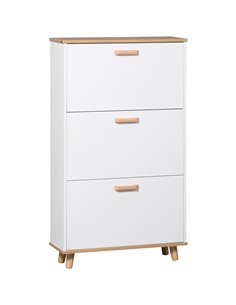
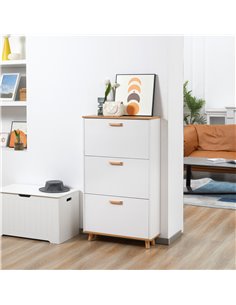
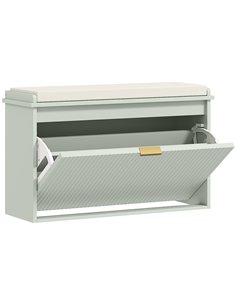
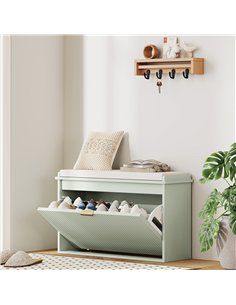
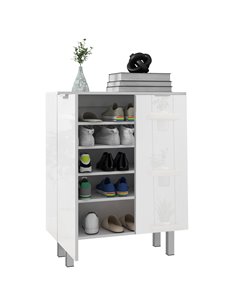
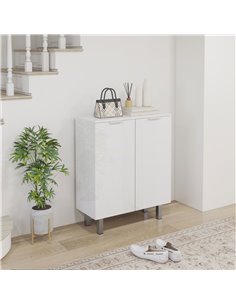
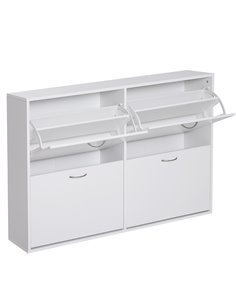
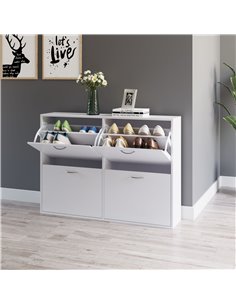
 Finding the right shoe storage cabinet transforms your entryway from chaotic dumping ground to organised sanctuary. After speaking with dozens of homeowners struggling with muddy wellies, school shoes, and trainers cluttering their hallways, we've uncovered what truly matters when selecting storage that works. This guide reveals the essential characteristics that separate brilliant shoe storage from disappointing purchases, helping you make a confident choice for your home.
Your entryway sets the tone for your entire house. The right storage solution protects your floors from dirt, prevents that frantic morning search for matching shoes, and creates genuine breathing space in what's often the busiest area of your home.
Understanding Your Space and Needs
Before exploring options, measure your available space carefully. Entryways vary dramatically across British homes—from compact Victorian hallways to modern open-plan areas. Consider ceiling height, width, and depth available. Think about daily traffic: a family of five with active children requires different capacity than a couple working from home.
Count your household's shoes honestly. Include seasonal footwear like winter boots and summer sandals. Most families underestimate by half. A typical four-person household needs storage for 20-30 pairs minimum.
Material Matters: Durability Meets Style
Solid wood storage brings timeless elegance and exceptional durability. Oak and pine withstand decades of use, though they command higher prices. Engineered wood offers affordability whilst maintaining attractive appearance. For moisture-prone entryways, consider treated materials or metal frames.
Bamboo presents an amazing eco-friendly option, naturally resistant to moisture and surprisingly sturdy. Plastic storage works brilliantly for budget-conscious buyers or rental properties, though aesthetics may disappoint.
Metal shoe racks provide industrial charm and outstanding ventilation, crucial for damp British weather. They're lightweight, easy to clean, and resist warping.
Open Racks Versus Closed Cabinets
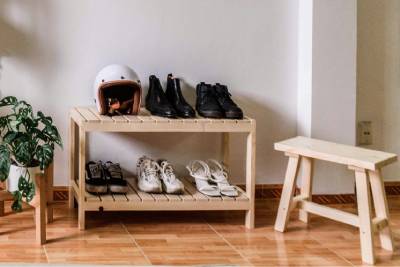
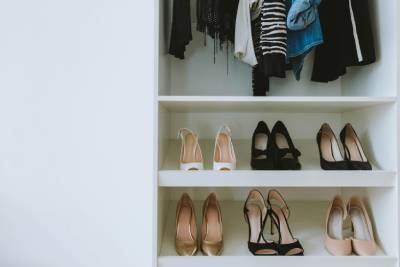 Open shoe racks encourage quick access and excellent airflow. Shoes dry faster, reducing odours and extending lifespan. However, they display everything—including scuffed school shoes and muddy boots. Open storage suits minimalists with coordinated footwear collections.
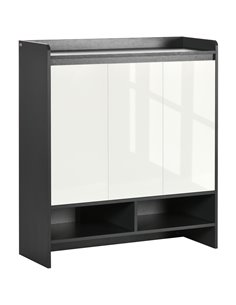
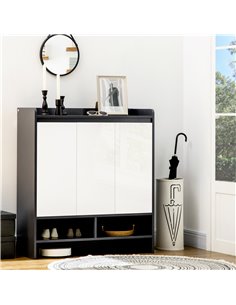
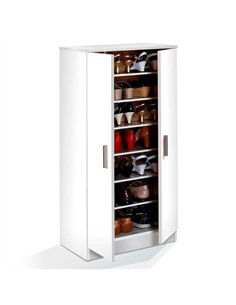
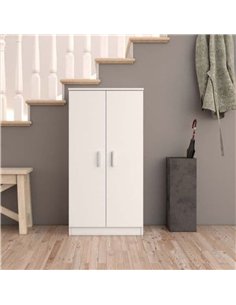
Closed cabinets hide visual clutter behind doors, creating streamlined aesthetics. They protect shoes from dust and pet hair. Cabinets with slatted doors offer compromise, providing ventilation whilst concealing contents. Consider soft-close hinges to prevent slamming.
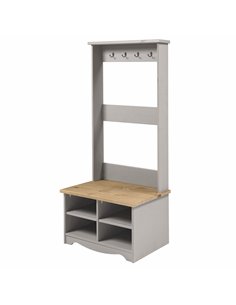
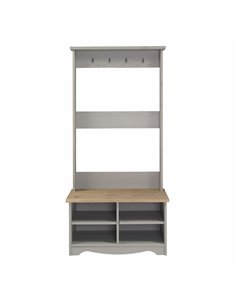
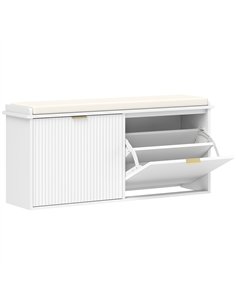
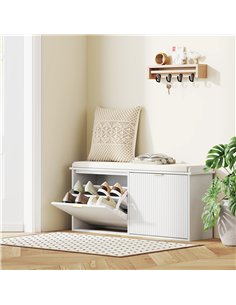
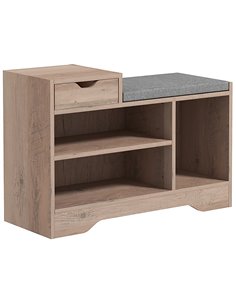
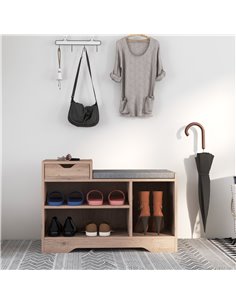
Bench-style storage combines seating with shoe compartments underneath. Exclusive to entryways with adequate width, these multifunctional pieces prove invaluable for families with young children or elderly relatives who need seating whilst putting on shoes.
Ventilation Prevents Problems
British weather means wet shoes are inevitable. Without proper ventilation, moisture breeds mould, damages footwear, and creates unpleasant odours. Look for designs with gaps between shelves, perforated backs, or slatted construction. Avoid completely sealed units unless you commit to regular airing.
Some clever designs incorporate removable drip trays underneath, catching water from wet wellies and preventing floor damage. These trays should lift out easily for regular emptying.
Height and Accessibility Considerations
Standard shoe storage heights range from 80cm to 180cm. Taller units maximise vertical space in compact hallways but require step stools for top shelves. Lower units suit homes with small children who need independent access to their footwear.
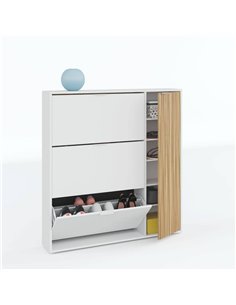
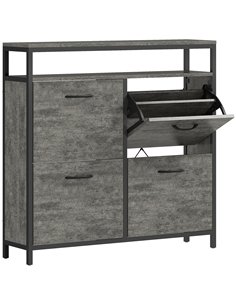
Adjustable shelving adapts to various shoe heights—from flat ballet pumps to knee-high boots. Fixed shelves often waste space or force awkward stacking. Pull-out drawers or tilting compartments provide ergonomic access, particularly valuable for anyone with back problems or mobility limitations.
Additional Features Worth Considering
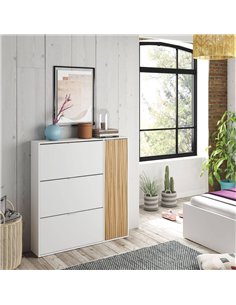
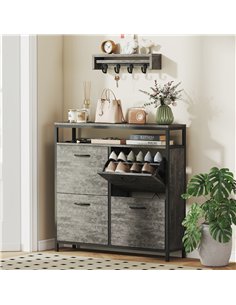
Top surfaces serve multiple purposes: display areas for keys, post, or decorative items. Some designs incorporate hooks for coats, bags, or umbrellas, creating comprehensive entryway organisation.
Mirrored doors add functionality for last-minute appearance checks before leaving home. They also reflect light, making narrow hallways feel more spacious.
Cushioned tops transform storage into comfortable seating. Choose wipeable fabrics or leather for easy maintenance in this high-traffic area.
 Making Your Final Decision
Quality construction shows in details: smooth drawer glides, sturdy shelves supporting weight without sagging, and finishes that resist scuffs. Read customer reviews focusing on long-term durability rather than initial impressions.
Consider assembly requirements. Some flat-pack options require significant DIY skills, whilst others arrive partially assembled. Factor in your abilities and available time.
Budget realistically, remembering that shoe storage endures daily use for years. Investing in quality pays dividends through longevity and sustained functionality. However, excellent mid-range options exist for those watching spending carefully.
Your perfect shoe storage solution balances practical needs with aesthetic preferences, creating order from chaos whilst complementing your home's style. Take measurements, assess your household's requirements honestly, and choose confidently.