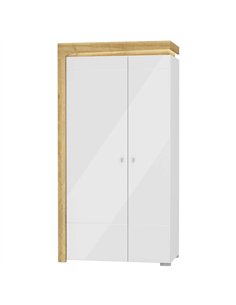
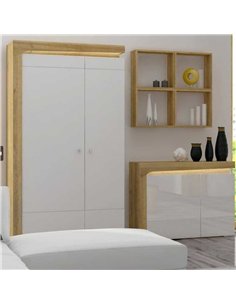
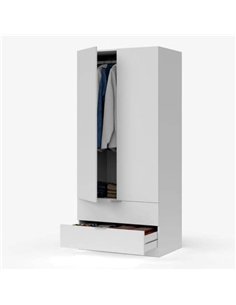
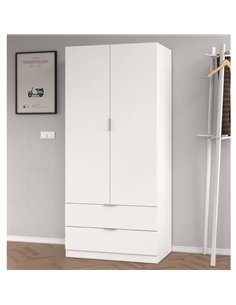
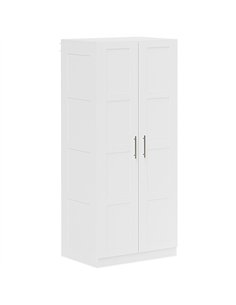
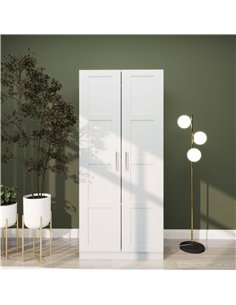
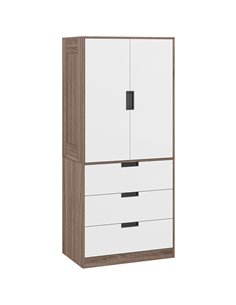
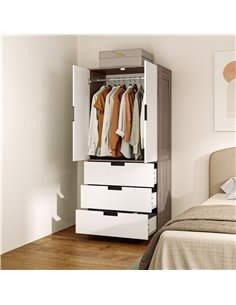
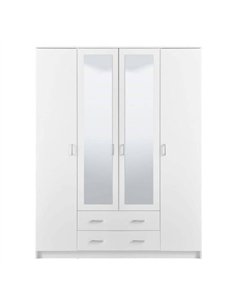
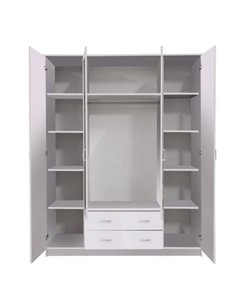
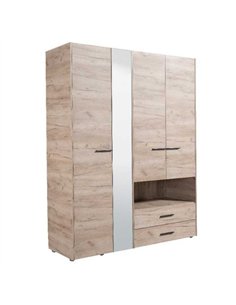
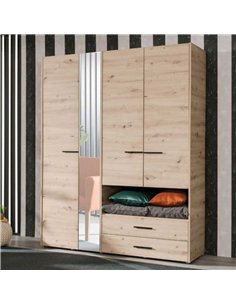
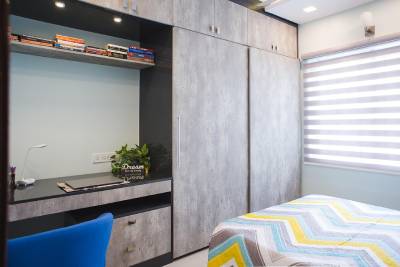
 Selecting the perfect bedroom wardrobe transforms more than just your storage situation—it revolutionises your entire morning routine and sleeping environment. With countless fitted wardrobes, sliding door wardrobes, and freestanding options flooding the UK market, making the right choice feels overwhelming. I've spent years helping families find their ideal storage solutions, and I can tell you that the difference between a wardrobe that frustrates you daily and one that brings genuine satisfaction comes down to understanding a few crucial characteristics.
This guide walks you through everything you need to know about choosing comfortable, functional bedroom furniture that actually works for your lifestyle. Whether you're furnishing a compact London flat or a spacious countryside home, you'll discover exactly which features matter most and why they genuinely impact your daily comfort.
Understanding Wardrobe Dimensions and Space Planning for Maximum Comfort
The single biggest mistake people make when buying bedroom storage isn't about style or price—it's about dimensions. I've watched countless customers fall in love with gorgeous mirrored wardrobes only to discover they can't actually open the doors properly in their room.
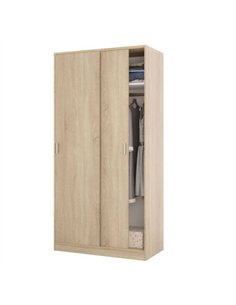
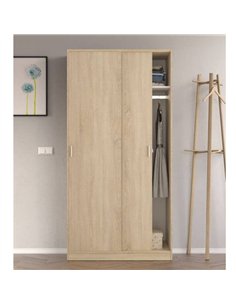
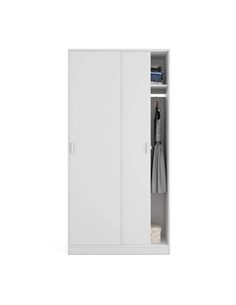
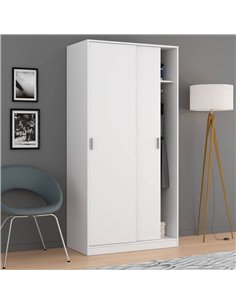
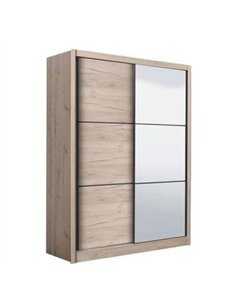
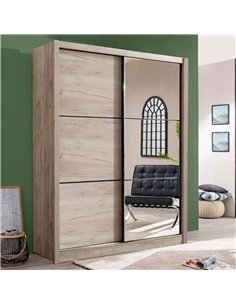
Start by measuring your bedroom space with brutal honesty. You need at least 70-80cm of clearance in front of hinged wardrobe doors for comfortable access. Sliding wardrobes need less—around 50cm works brilliantly—which explains why they're Amazing solutions for smaller bedrooms. If your room measures under 3 metres wide, sliding mechanisms almost always provide better functionality than traditional hinged designs.
Height matters enormously for comfort too. Standard wardrobe height sits around 180-200cm, but if you've got high ceilings, floor-to-ceiling fitted wardrobes maximise storage whilst creating that luxurious, built-in appearance that makes bedrooms feel more spacious. Just remember: anything above 170cm means you'll need a step stool for top shelves, so plan accordingly.
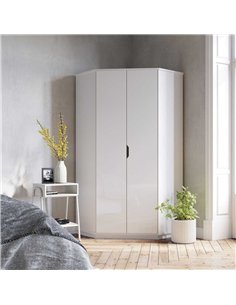
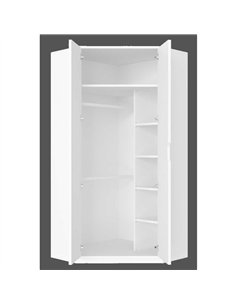
Width determines how much hanging space you actually get. A double wardrobe typically measures 120cm wide, offering roughly 100cm of usable hanging rail space—enough for one person's main wardrobe. Couples genuinely need triple wardrobes (180cm+) or multiple units to avoid that daily battle for rail space. Corner wardrobes cleverly utilise awkward angles, particularly brilliant for L-shaped bedrooms where standard furniture leaves wasted gaps.
Depth is where comfort really lives. Shallow wardrobes under 50cm force you to jam clothes in sideways, creating creases and frustration. Standard depth runs 55-60cm, which accommodates coat hangers comfortably. If you're storing bulky winter coats, quilts, or suits, consider 60-65cm depth—that extra 5cm makes an astonishing difference to how smoothly garments slide along rails.
Don't forget door swing radius. Measure the arc that hinged doors travel and check it doesn't bash into your bed, radiators, or other bedroom furniture. I've seen beautiful oak wardrobes become daily annoyances simply because the doors hit the bed frame every single time.
Internal Configuration: The Heart of Wardrobe Functionality
Here's something most furniture shops won't tell you: the exterior design matters far less than what's inside. A stunning white gloss wardrobe with poor internal layout delivers daily frustration, whilst a plain wardrobe with brilliant organisation becomes your favourite bedroom feature.
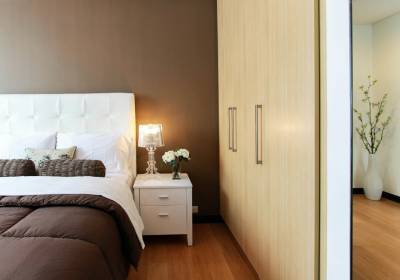 Hanging rail height and positioning creates the foundation of comfort. Rails positioned at 165-170cm suit most people perfectly, allowing you to hang long dresses or coats without them touching the bottom. If you're taller than 180cm or shorter than 160cm, adjustable rails become non-negotiable for genuine comfort. Some modern fitted wardrobes offer double hanging rails—one high, one low—which doubles your capacity for shirts, trousers, and folded items.
Shelf spacing determines how efficiently you use vertical space. Fixed shelves every 35-40cm work for most folded clothes, but adjustable shelving systems provide Exclusive flexibility. You might need 50cm gaps for storing shoe boxes or hat storage, then 25cm sections for folded jumpers. Quality wardrobes include shelf holes every 3-4cm, letting you reconfigure as your storage needs evolve.
Drawer systems deserve special attention. Soft-close drawers aren't just luxury - they prevent slamming noises that disturb sleeping partners and protect delicate items. Drawer depth matters hugely: 10-15cm suits underwear and accessories, whilst 20-25cm handles bulkier knitwear. Full-extension drawer runners (the type that pull completely out) let you access everything inside without awkward rummaging.
Shoe storage separates adequate wardrobes from Wonderful ones. Dedicated shoe racks, pull-out shoe shelves, or angled shoe cubbies keep footwear organised and visible. Expect to allocate 15-20cm height per shoe shelf row. If you've got more than 15 pairs between you, purpose-built shoe storage becomes essential rather than optional.
Specialist storage zones elevate functionality beautifully. Pull-out trouser racks prevent crease lines, whilst belt and tie organisers stop accessories tangling into frustrating knots. Jewellery drawers with felt lining protect precious items. Built-in LED lighting transforms dark wardrobe interiors, making morning outfit selection infinitely easier during gloomy British winters.
Basket systems or pull-out wire storage work brilliantly for items you use frequently—gym clothes, pyjamas, or seasonal accessories. They provide visibility whilst maintaining tidiness, something traditional shelving struggles to deliver.
Material Quality, Door Mechanisms, and Long-Term Comfort Factors
The materials and construction methods determine whether your bedroom wardrobe remains comfortable and functional for decades or becomes a wobbly disappointment within years.
Wood wardrobes vary dramatically in quality and longevity. Solid wood—oak, pine, or walnut—offers unmatched durability and ages beautifully, developing character over time. Engineered wood (MDF or chipboard with veneer) costs considerably less but demands careful assessment. High-density engineered wood with quality veneer performs excellently; cheap chipboard with paper-thin covering chips, warps, and deteriorates rapidly. Check thickness: 18-22mm panels indicate decent quality, whilst anything under 15mm suggests budget construction that won't age gracefully.
Door mechanisms directly impact daily comfort more than most people realise. Hinged doors with soft-close technology prevent jarring slams and finger trapping—absolute essentials if you've got children. Quality hinges rated for 50,000+ cycles last years longer than cheap alternatives.
Sliding door wardrobes utilise roller systems that vary wildly in quality. Bottom-rolling mechanisms prove more reliable and smoother than top-hung systems, particularly for heavier mirrored doors. Premium ball-bearing rollers glide effortlessly for decades, whilst plastic wheels judder, squeak, and eventually jam. Always request warranties covering door mechanisms—quality manufacturers confidently offer 5-10 year guarantees.
Mirror integration serves dual purposes: expanding perceived bedroom space whilst providing full-length dressing mirrors. However, mirror quality matters immensely. Cheap mirrors distort reflections and develop black spots over time. Look for 4-6mm thick glass with silver or aluminium backing rather than paper backing.
Ventilation prevents musty odours developing inside closed storage. Quality wardrobes incorporate subtle air holes or vented backs that allow circulation without exposing contents to dust. This becomes particularly crucial in humid British climates where sealed wardrobes foster mould growth on natural fibres.
Assembly quality determines structural stability. Flat-pack wardrobes offer affordability but require meticulous assembly—rushed construction creates wobbly, unsafe storage. Professional installation or pre-assembled delivery costs more initially but guarantees structural integrity and typically includes warranties covering manufacturing defects.
Finish durability affects how your wardrobe ages. Matt finishes hide fingerprints and minor scratches better than high-gloss surfaces, making them more practical for family bedrooms. UV-resistant coatings prevent colour fading near windows—something worth considering for light-coloured bedroom furniture.
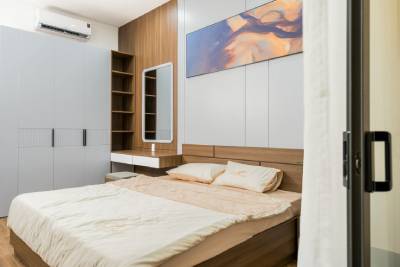 Weight capacity often gets overlooked until shelves start sagging. Quality shelving supports 15-25kg per shelf; cheaper alternatives manage barely 10kg before bowing. If you're storing heavy items like books, handbags, or shoe collections, confirm load ratings before purchasing.
Customisation potential future-proofs your investment. Modular wardrobe systems let you add sections, reconfigure interiors, or adapt as family needs change. That single wardrobe serving a couple today might need expansion when children arrive or hobbies demand specialist storage.
Your bedroom wardrobe represents a significant investment in daily comfort and organisation. By focusing on these practical characteristics—accurate space planning, intelligent internal configuration, and quality construction—you'll select storage solutions that genuinely enhance your lifestyle rather than frustrate it. The perfect wardrobe isn't necessarily the most expensive or stylish option; it's the one precisely matched to your actual storage needs, bedroom dimensions, and daily routines. Take time measuring carefully, testing mechanisms thoroughly, and envisioning how you'll actually use the space, and you'll discover bedroom storage that brings satisfaction for years ahead.