Choosing the Perfect Cot or Cot Bed for Your Newborn in the UK
 Welcoming a newborn into your family is an exciting and life-changing event. One of the essential tasks for expectant parents is to create a safe and comfortable sleeping environment for their little one. Knowing how to choose a cot or cot bed for a newborn is crucial, as it ensures your baby’s safety and comfort. In this article, we will explore the key factors to consider when selecting a cot or cot bed in the UK, providing you with expert insights and practical advice.
1. Understanding the Difference: Cot vs Cot Bed
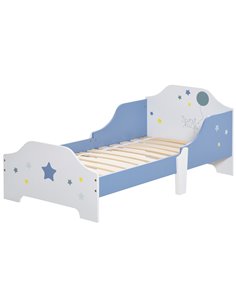
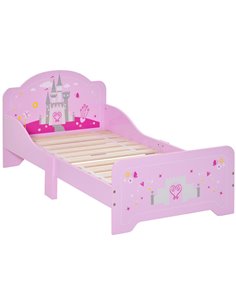
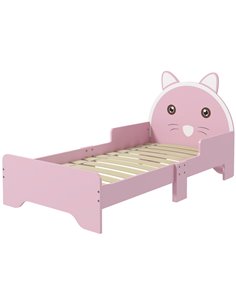
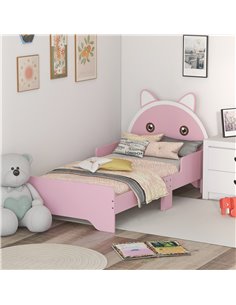
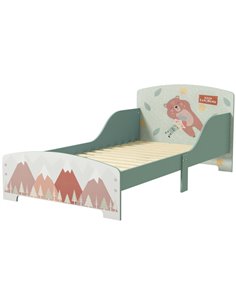
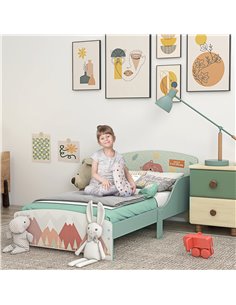
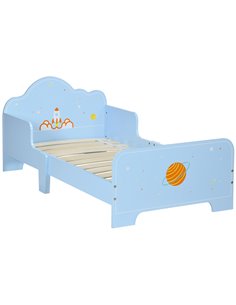
When it comes to choosing a sleeping solution for your newborn, understanding the difference between a cot and a cot bed is essential. A cot is a smaller sleeping space designed for infants, typically suitable from birth until around two years of age. On the other hand, a cot bed is a larger option that can be converted into a toddler bed, accommodating your child until they are about five years old.
The choice between a cot and a cot bed often depends on your long-term plans and available space. If you have limited space or plan to transition your child to a separate bed sooner, a cot might be the ideal choice. However, if you prefer a more long-term solution, a cot bed offers versatility and can be a cost-effective option in the long run.
2. Safety Standards and Features
Safety is paramount when selecting a cot or cot bed for your newborn. In the UK, all cots and cot beds must adhere to the British Safety Standards (BS EN 716-1:2017). Ensure that the product you choose meets these standards, which guarantee that the cot is sturdy, with no sharp edges or small parts that could pose a choking hazard.
 Look for features such as adjustable mattress heights, which allow you to lower the mattress as your baby grows and becomes more mobile. This feature helps prevent your child from climbing out of the cot. Additionally, consider a cot with teething rails to protect both the cot and your baby’s gums.
3. Size and Space Considerations
Before purchasing a cot or cot bed, measure the space where you plan to place it. Cots are generally more compact, making them suitable for smaller nurseries or shared bedrooms. Cot beds, being larger, require more space but offer the advantage of longevity.
Consider the size of the mattress as well. Ensure that it fits snugly within the cot or cot bed, leaving no gaps where your baby could become trapped. A well-fitting mattress is crucial for your baby’s safety and comfort.
4. Material and Design Choices
Cots and cot beds come in a variety of materials and designs, allowing you to choose one that complements your nursery decor. Common materials include wood, metal, and plastic. Wooden cots are a popular choice due to their durability and classic appearance. Ensure that any paint or finish used is non-toxic and safe for your baby.
 Design-wise, consider the style and colour that best suits your nursery theme. While aesthetics are important, prioritise functionality and safety features over design elements.
5. Budget and Longevity
Your budget will play a significant role in your decision-making process. Cots are generally more affordable than cot beds, but they may require an upgrade sooner. Cot beds, while initially more expensive, can save you money in the long term as they grow with your child.
Consider the longevity of the product and whether it offers value for money. Investing in a high-quality cot or cot bed can provide peace of mind, knowing that your baby is sleeping in a safe and comfortable environment.
In conclusion, choosing the perfect cot or cot bed for your newborn in the UK involves careful consideration of safety standards, size, material, and budget. By understanding the differences between cots and cot beds and evaluating your specific needs, you can make an informed decision that ensures your baby’s comfort and safety. For further guidance, consult reputable sources such as the National Childbirth Trust (NCT) and Which? for expert advice and product reviews.