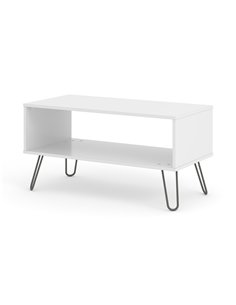
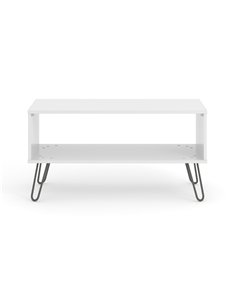
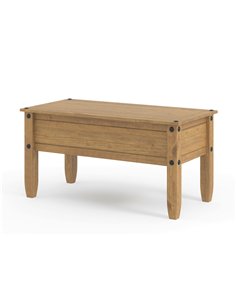
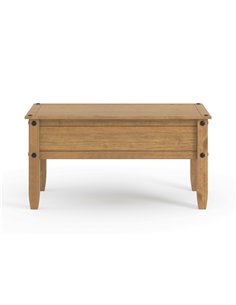
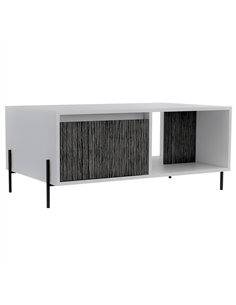
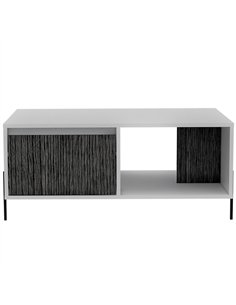
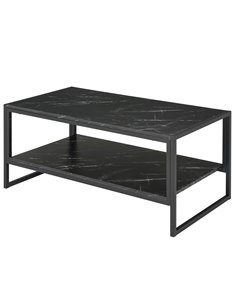
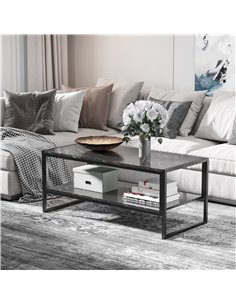
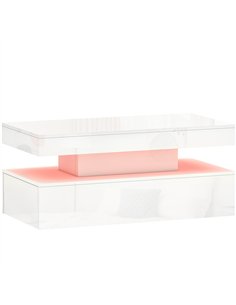
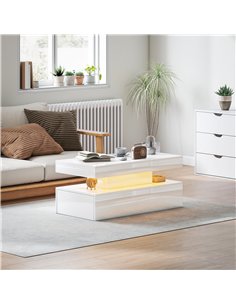
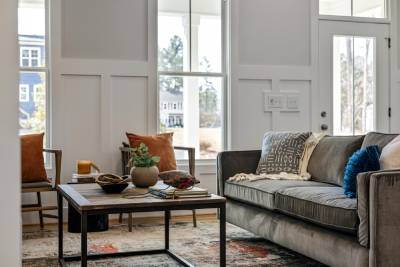
 Selecting the ideal coffee table for living room spaces transforms how you experience your home every single day. This essential piece anchors your seating area, holds your morning cuppa, displays your favourite books, and becomes the gathering spot where life unfolds. Yet many homeowners struggle with this decision, ending up with tables that look lovely but fail miserably in practical use. After helping hundreds of families find their perfect match, I've learned that choosing the right lounge table involves balancing size, style, material durability, and functionality in ways that genuinely improve daily living. This guide walks you through every characteristic that matters, helping you avoid costly mistakes and discover a centrepiece that serves your household beautifully for years to come.
Understanding Size, Shape and Height for Maximum Comfort
Getting the dimensions right makes the difference between a coffee table that enhances your space and one that constantly frustrates you. The golden rule states your centre table should measure roughly two-thirds the length of your sofa, creating visual balance without overwhelming the room. In compact living spaces, a 90-110cm table works brilliantly, whilst larger lounges accommodate pieces stretching 120-150cm comfortably. Pay attention to clearance zones too—maintain 40-45cm between your seating and the table edge so people can move freely without bruising shins or knocking knees.
Shape dramatically affects traffic flow through your room. Rectangular coffee tables suit traditional arrangements with sofas and armchairs facing each other, maximising surface area for families who actually use their tables for meals, homework, or game nights. Round tables create softer, more conversational atmospheres and work exceptionally well in homes with young children, eliminating sharp corners entirely. Square designs fit perfectly in rooms with sectional sofas, whilst oval shapes offer a beautiful compromise between rectangular functionality and rounded safety.
Height proves surprisingly crucial for comfort. Standard coffee tables sit 40-45cm tall, aligning nicely with typical sofa seat heights of 45-50cm. This positioning lets you reach drinks or remote controls without awkward stretching. However, if you frequently eat meals whilst watching telly, consider tables at the taller end of this range. Conversely, homes with low-profile modern furniture need correspondingly lower occasional tables to maintain proper proportion. Always measure your existing seating before purchasing—what looks perfect in a showroom might sit oddly high or frustratingly low beside your actual sofa.
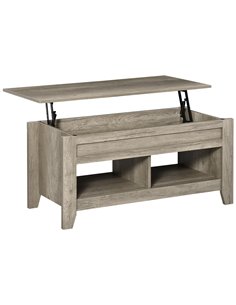
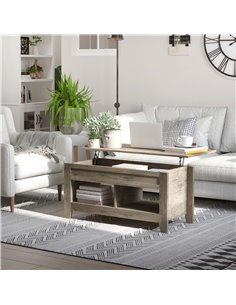
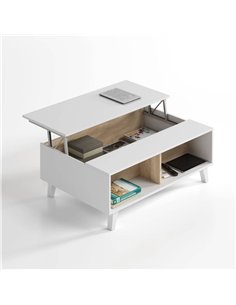
Storage capabilities transform simple tables into hardworking furniture heroes. Lift-top coffee tables reveal hidden compartments perfect for stashing remote controls, magazines, blankets, and children's toys, keeping surfaces tidy without constant trips to cupboards. Tables with lower shelves double your display and storage space, ideal for showcasing coffee table books, decorative bowls, or baskets containing everyday essentials. Drawer units work brilliantly in homes where you need truly concealed storage for items you'd rather not display openly.
Choosing Materials and Finishes That Last
Material selection determines how your living room table performs under real-life conditions. Wooden coffee tables remain timelessly popular because timber develops character through use, with small scratches and marks telling your family's story rather than ruining the piece. Oak offers remarkable durability with gorgeous grain patterns, whilst walnut brings rich, sophisticated tones to contemporary spaces. Pine provides budget-friendly options but dents more easily, making it less ideal for busy households. Solid wood outperforms veneer dramatically—it can be refinished multiple times, essentially lasting forever with proper care.
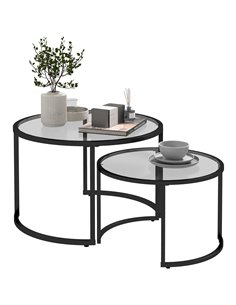
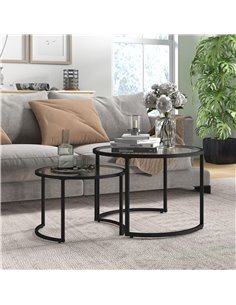
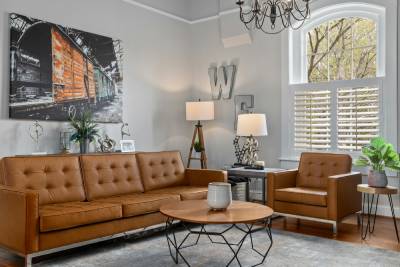 Glass coffee tables create an Exceptional sense of spaciousness in smaller rooms, allowing light to flow through and making areas feel larger than they are. Tempered glass provides necessary safety, resisting breakage far better than standard glass. However, glass demands frequent cleaning as fingerprints, dust, and watermarks show relentlessly. Families with young children often find the constant maintenance exhausting. Smoked or tinted glass reduces visible marks somewhat whilst adding dramatic style to modern interiors.
Metal frames bring industrial chic and incredible structural strength to coffee tables. Steel and iron constructions support heavier items without wobbling, perfect if you envision your table supporting large trays, substantial decorative pieces, or even feet during film nights. Powder-coated finishes resist rust and scratches admirably. Brass and copper introduce warm metallic notes that pair beautifully with velvet sofas and jewel-toned accessories, though these materials require occasional polishing to maintain their lustre.
Marble and stone surfaces deliver luxury that photographs cannot fully capture—the cool, smooth texture and natural veining create stunning focal points. Genuine marble requires sealing and careful maintenance as it stains and etches when exposed to acidic drinks like wine or lemon water. Engineered stone alternatives offer similar aesthetics with superior stain resistance and lower maintenance demands. These materials add considerable weight, which actually benefits stability but complicates rearranging furniture.
Upholstered ottoman coffee tables provide the ultimate in versatility and comfort. These fabric-covered pieces function as footrests, extra seating during gatherings, and surprisingly practical surfaces when topped with decorative trays. Performance fabrics withstand spills remarkably well, essential for homes with children or pets. Leather options age beautifully, developing a rich patina that enhances character over time. Consider darker colours or patterned fabrics that camouflage inevitable marks between professional cleanings.
Matching Style and Functionality to Your Lifestyle
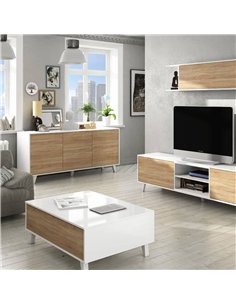
Your coffee table style should harmonise with existing décor whilst reflecting how you actually live. Scandinavian-inspired designs featuring clean lines, light woods, and minimalist silhouettes suit homes prioritising simplicity and uncluttered spaces. These typically include subtle storage that doesn't disrupt the streamlined aesthetic. Mid-century modern tables with tapered legs and warm wood tones bring retro charm that complements both vintage and contemporary furnishings beautifully.
Industrial coffee tables combining reclaimed wood with metal frames appeal to those who appreciate raw, urban aesthetics. The rugged construction handles heavy use brilliantly—ideal for households where the table genuinely works as a dining surface, workspace, or crafting area. Traditional designs featuring turned legs, carved details, and rich finishes suit period properties and formal living rooms, though they often sacrifice storage for decorative appeal.
Contemporary glass and chrome combinations create sleek, sophisticated atmospheres in modern flats and minimalist homes. These work particularly well in open-plan spaces where maintaining visual lightness prevents the area feeling cramped. Rustic farmhouse styles with distressed finishes and chunky proportions bring cosy, lived-in warmth that forgives daily wear whilst offering ample surface space for family activities.
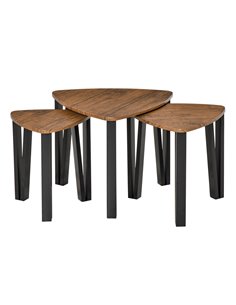
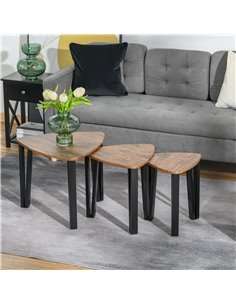
Nested coffee tables deliver Exclusive flexibility for homes that need adaptable furniture. The smaller tables tuck underneath when not needed, then pull out to provide additional surface area when hosting guests or spreading out projects. This configuration works brilliantly in compact flats where space efficiency matters tremendously. C-shaped tables that slide under sofas bring surfaces directly beside seating, perfect for laptop work or meals, though they typically offer less communal surface area.
Think honestly about how you use your lounge. Families with young children benefit enormously from rounded edges, durable surfaces that handle spills and scratches gracefully, and storage that corrals toys quickly. Empty nesters might prioritise display space for treasured objects and beautiful coffee table books. Entertainers need substantial surface area for drinks and nibbles during gatherings. Pet owners should avoid delicate materials and choose designs that don't trap fur in unreachable crevices.
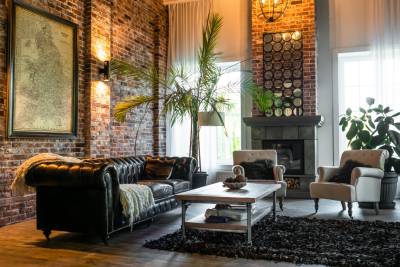 Colour choices influence the entire room's atmosphere. Light woods and white finishes brighten spaces and suit Scandinavian or coastal themes. Dark woods and black metals create dramatic, sophisticated settings. Natural wood tones offer versatility, complementing virtually any colour scheme whilst adding organic warmth. Consider your flooring too—tables that contrast slightly with floor tones create pleasing definition rather than blending into backgrounds.
Budget considerations needn't mean sacrificing quality. Solid wood tables from sustainable sources often cost more initially but last decades, making them financially sensible long-term investments. Flat-pack options from reputable retailers provide decent quality at accessible prices, though assembly quality affects longevity significantly. Vintage and second-hand wooden coffee tables offer exceptional value—many require only light refinishing to become stunning centrepieces at fractions of new prices. Avoid extremely cheap particle board constructions that sag, chip, and fail within months, ultimately costing more through replacement cycles.
Your perfect side table for living room arrangements exists—finding it simply requires honest assessment of your space, lifestyle, and aesthetic preferences. Measure carefully, consider how you genuinely use your lounge daily, choose materials that suit your maintenance tolerance, and select designs that bring you joy every time you enter the room. The right choice serves faithfully as the heart of your living space, supporting everything from quiet morning coffees to boisterous family game nights with equal grace.