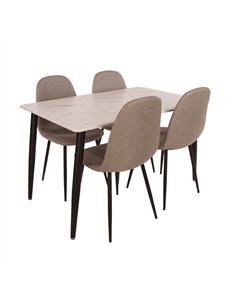
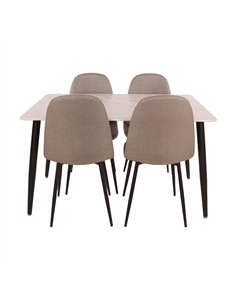
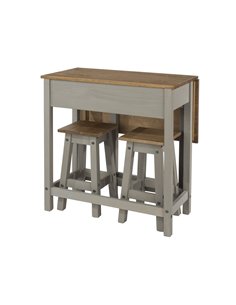
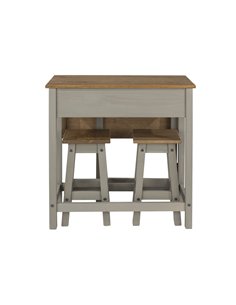
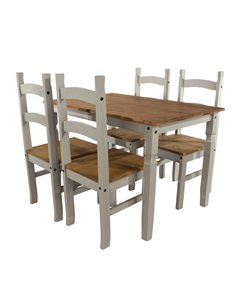
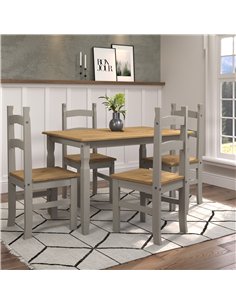
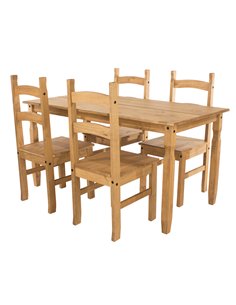
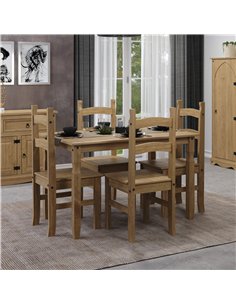
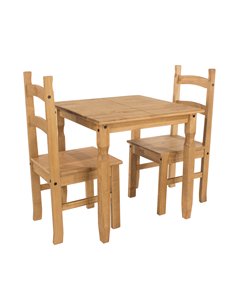
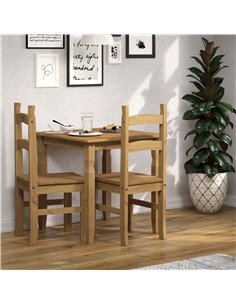
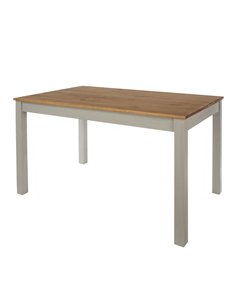
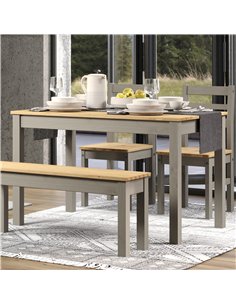
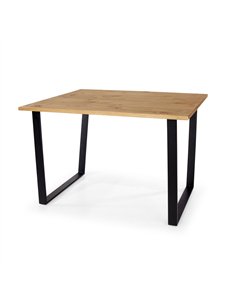
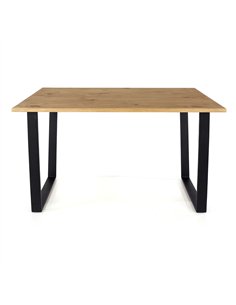
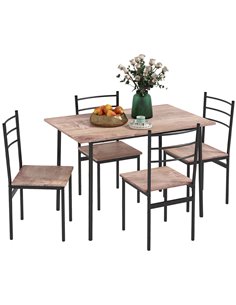
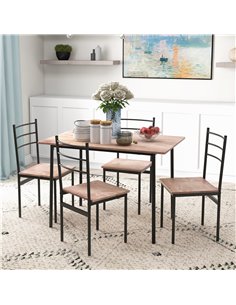
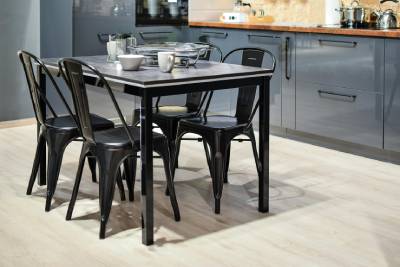
 Selecting the perfect dining table and chairs transforms your entire eating space into somewhere truly special for family meals and entertaining guests. This comprehensive guide explores everything you need to know about finding a table that fits your lifestyle, space and budget whilst creating a welcoming atmosphere in your home.
Understanding Size, Shape and Space Requirements for Your Dining Room
The dimensions of your dining area fundamentally determine which table works best. Measure your room carefully, leaving at least 90-120cm of clearance around all sides so people can comfortably pull out chairs and move about freely. A cramped dining space feels awkward and unwelcoming, whilst proper circulation makes mealtimes genuinely enjoyable.
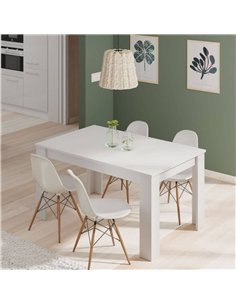
Rectangular tables suit most homes brilliantly, especially longer rooms where they maximise seating capacity without overwhelming the space. They're exceptional for larger families or anyone who loves hosting dinner parties. You can seat 6-8 people comfortably on a standard 180-200cm rectangular table, with extendable versions accommodating even more guests when needed.
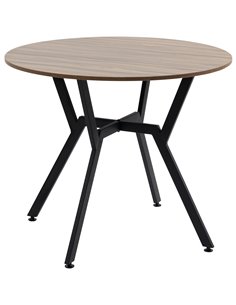
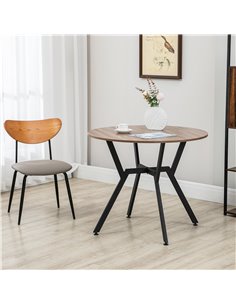
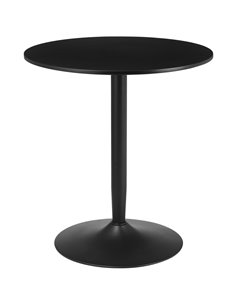
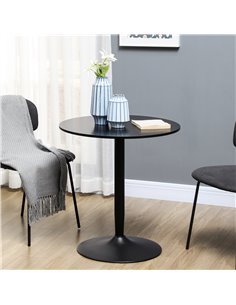
Round dining tables create an intimate, conversational atmosphere perfect for smaller households. Everyone faces each other naturally, making them wonderful for daily family dinners. They work beautifully in square rooms and typically need less floor space than rectangular alternatives. A 120cm round table seats four people comfortably, whilst 150cm versions accommodate six.
Square tables offer balanced proportions ideal for compact dining areas or kitchen corners. They're efficient space-savers that still provide proper elbow room for four diners. For couples or small families eating together regularly, square designs deliver both practicality and visual appeal.
Oval tables combine the benefits of rectangular and round shapes magnificently. They offer generous seating like rectangular tables but with softer edges that improve traffic flow in tighter spaces. The curved ends make conversation easier across the table compared to standard rectangular designs.
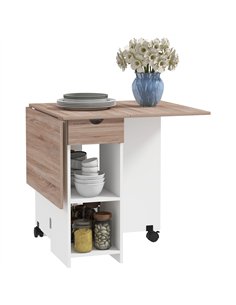
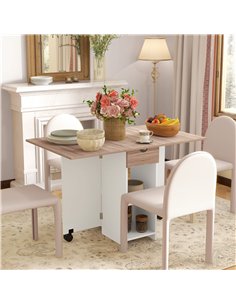
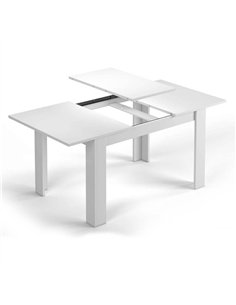
Consider how many people typically eat together in your household. Add two extra seats to your usual number if you entertain frequently. Extendable dining tables provide amazing flexibility, expanding from everyday compact size to larger dimensions for special occasions. Butterfly leaf mechanisms, drop-leaf designs and removable centre sections all work differently, so test them in-store to find which operates most smoothly.
The height matters more than many people realise. Standard dining table height measures 75cm, which pairs properly with chairs approximately 45cm tall. Counter-height tables at 90cm suit casual dining spaces and work well in open-plan homes where the dining area connects with the kitchen. Bar-height tables at 105cm create a modern, relaxed vibe but aren't suitable for young children or elderly relatives who struggle climbing onto tall stools.
Choosing Materials and Construction That Last
The material you select affects durability, maintenance requirements and overall appearance dramatically. Each option brings distinct advantages and potential drawbacks worth understanding before committing.
Solid wood dining tables remain the most popular choice throughout Britain for excellent reasons. Oak, walnut, pine and mango wood each possess unique characteristics. Oak delivers exceptional strength and classic beauty with prominent grain patterns that develop richer tones over time. Walnut offers sophisticated dark colouring and fine texture that looks expensive and elegant. Pine provides affordable solid wood construction with lighter, rustic charm. Mango wood brings warmth and interesting grain variation at mid-range prices.
Quality solid wood furniture withstands decades of daily use when properly cared for. The natural material ages gracefully, developing character marks that add personality rather than detracting from appearance. Solid wood tables require occasional treatment with appropriate oils or waxes to maintain protection and lustre. They're susceptible to heat marks, water rings and scratches, though many homeowners appreciate how these imperfections tell the story of family life.
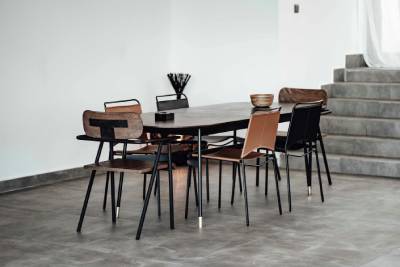 Veneer tables feature thin wood layers bonded to engineered wood cores. Modern manufacturing techniques produce veneer furniture with excellent stability and appearance that rivals solid wood visually. High-quality veneers resist warping better than solid wood whilst costing considerably less. However, damaged veneer proves difficult to repair since you cannot sand down to fresh wood underneath.
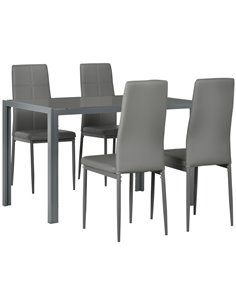
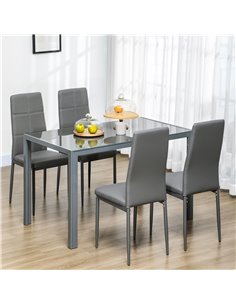
Glass dining tables introduce contemporary style and help smaller rooms feel more spacious since you can see straight through them. Tempered glass provides necessary strength and safety, shattering into small, less dangerous pieces if broken. Glass shows fingerprints, smudges and watermarks constantly, requiring frequent cleaning to maintain pristine appearance. They're unsuitable for households with young children who might climb or bang objects forcefully.
Metal tables in stainless steel or powder-coated finishes deliver industrial-chic aesthetics and virtually indestructible durability. They're perfect for outdoor dining areas since weather-resistant metals withstand British rain and temperature fluctuations. Metal surfaces feel cold and can be noisy when placing dishes down, though these minor drawbacks rarely outweigh the style benefits for modern interiors.
Marble and stone tables make stunning statement pieces with naturally unique veining patterns. They're incredibly heavy, exceptionally durable and luxuriously smooth. Marble requires sealing regularly since it's porous and prone to staining from acidic foods and drinks. The weight makes rearranging furniture challenging but ensures absolute stability during use.
Inspect construction quality carefully regardless of material choice. Solid joints using mortise-and-tenon or dovetail techniques indicate superior craftsmanship compared to simple screwed or glued connections. Check table legs for wobbling and examine how securely the top attaches to the base. Quality dining room furniture includes proper bracing underneath that prevents the top from sagging or twisting over time.
Finish quality determines how your table resists daily wear. Lacquered or varnished surfaces provide excellent protection whilst highlighting wood's natural beauty. Oil finishes penetrate deeper and allow wood to breathe naturally but need reapplication periodically. Matt finishes hide minor scratches better than high-gloss surfaces, though glossy tables often look more formal and impressive.
Matching Style, Colour and Practical Features to Your Lifestyle
Your dining furniture should complement existing décor whilst reflecting personal taste. Contemporary interiors benefit from clean-lined tables in neutral tones with minimal ornamentation. Traditional homes suit ornate turned legs, decorative aprons and rich wood stains. Farmhouse style embraces chunky proportions, rustic finishes and mixed materials combining wood with metal accents.
Colour influences room atmosphere significantly. Light oak, pine or painted white tables brighten spaces and work beautifully in Scandinavian-inspired or coastal themes. Dark walnut, mahogany or espresso finishes add sophistication and warmth to formal dining rooms. Grey-washed or weathered finishes bridge traditional and contemporary styles successfully.
Consider these practical features that enhance everyday convenience:
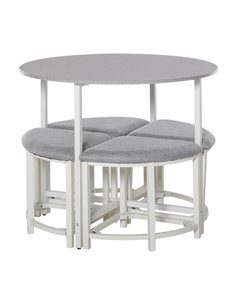
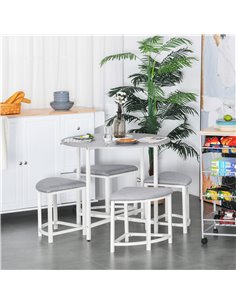
Storage options like built-in drawers or shelves underneath keep placemats, napkins and cutlery within easy reach. They're particularly valuable in smaller homes lacking dedicated storage furniture.
Pedestal bases instead of four corner legs provide superior legroom and seating flexibility. You can squeeze extra chairs around pedestal tables more easily since legs don't obstruct placement.
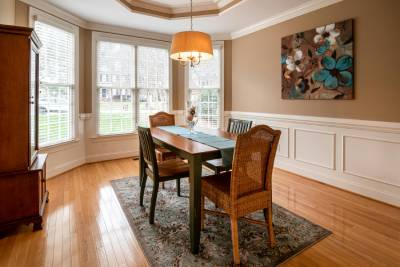 Rounded corners prove safer in homes with young children who might collide with sharp edges during play. They also improve traffic flow in compact dining areas.
Easy-clean surfaces matter enormously for busy families. Sealed wood, laminate and glass wipe clean effortlessly, whilst unfinished or oil-treated wood requires more careful maintenance.
Budget considerations deserve honest assessment. Quality dining tables represent significant investments but reward you with years of reliable service. Inexpensive flat-pack furniture might suit temporary accommodation or tight budgets initially, yet often needs replacing within a few years. Mid-range options typically offer the best balance between affordability and longevity.
Your dining table anchors family life for years ahead. Choosing thoughtfully means investing in a piece that accommodates daily meals, homework sessions, board games and celebrations comfortably. Take time evaluating your specific needs against available options, prioritising quality construction and appropriate sizing above fleeting trends. The right table becomes more than furniture—it's where memories happen, conversations flow and your household gathers together.