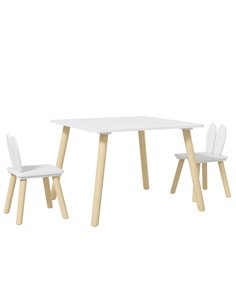
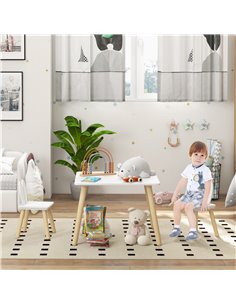
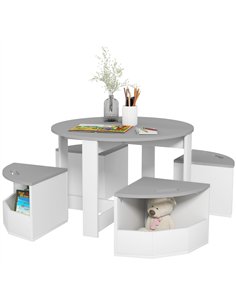
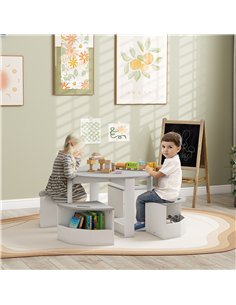
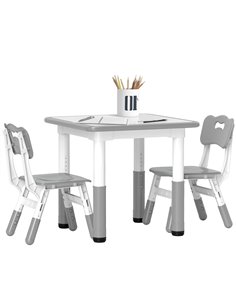
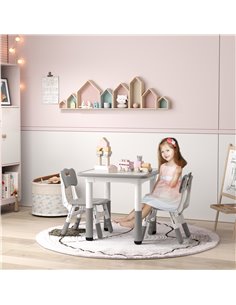
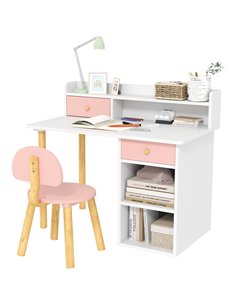
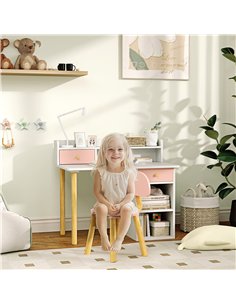
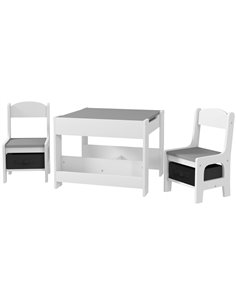
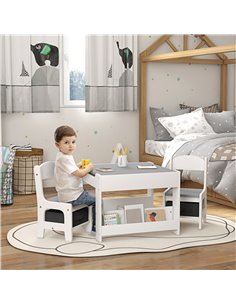
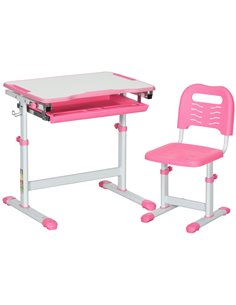
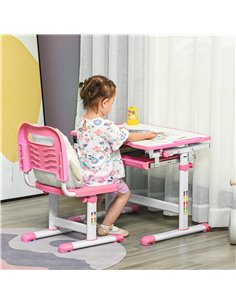
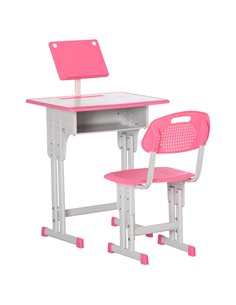
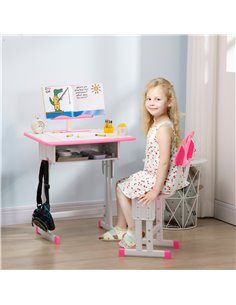
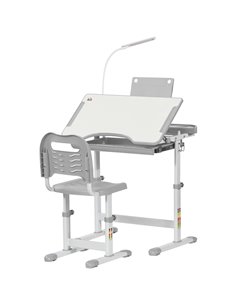
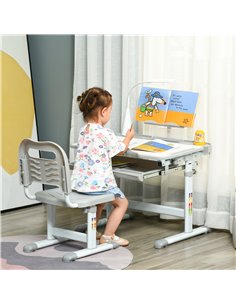
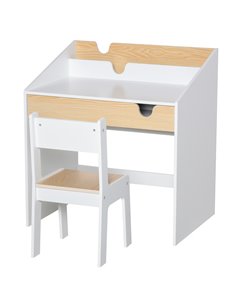
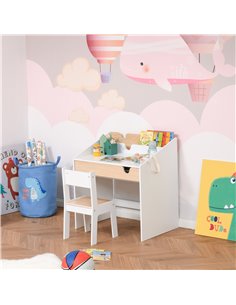
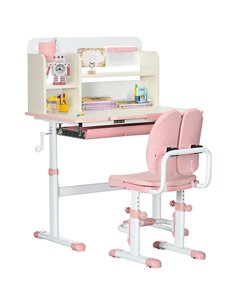
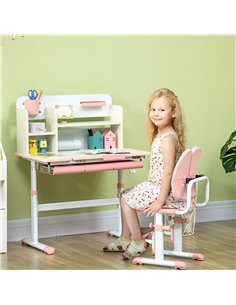
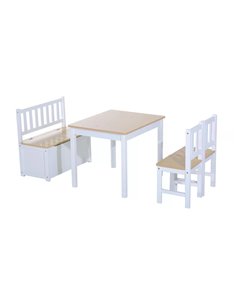
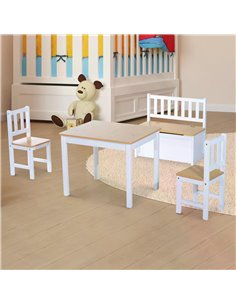
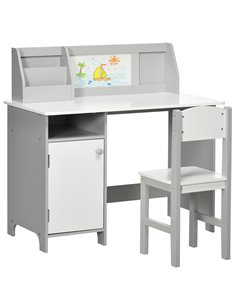
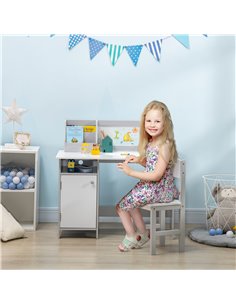
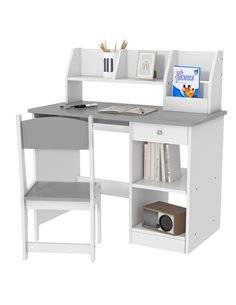
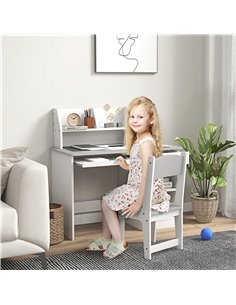
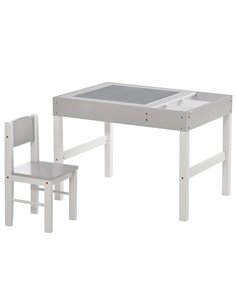
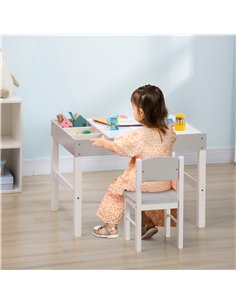
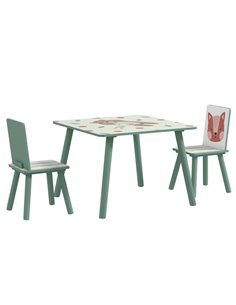
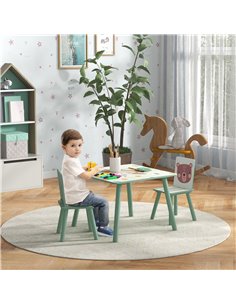
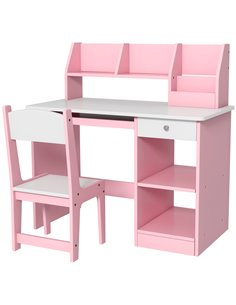
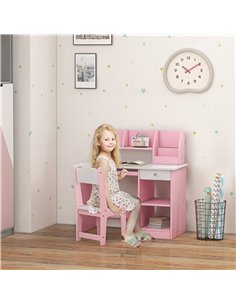
 Finding the perfect childrens desks and chairs creates a foundation for your child's academic success and creative development. The right desk transforms homework from a daily battle into an exciting adventure, whilst the wrong choice leaves you with an expensive piece of furniture gathering dust in the corner. After helping countless parents navigate this crucial decision, I've discovered what truly matters when selecting a study space that grows with your child.
Essential Features That Make Children's Study Desks Work for Growing Minds
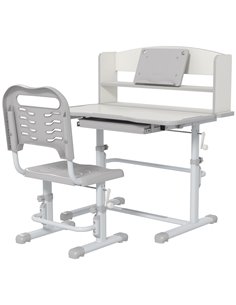
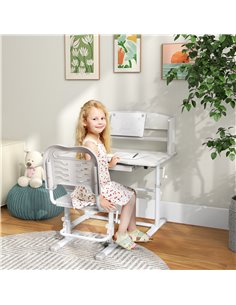
Height adjustment stands as the single most important feature in any child's desk. Your seven-year-old won't stay seven forever, and replacing furniture every two years burns through your budget faster than you'd imagine. Adjustable desks accommodate children from roughly age four through their teenage years, adapting as they shoot up in height seemingly overnight. The ergonomic benefits extend beyond simple comfort—proper desk height prevents slouching, reduces neck strain, and helps maintain focus during lengthy homework sessions.
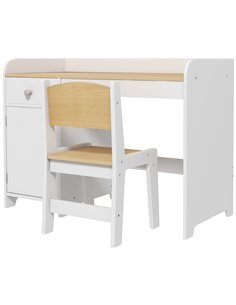
Storage capacity deserves equal attention. Primary school children juggle textbooks, workbooks, art supplies, and an ever-growing collection of stationery that somehow multiplies when you're not looking. Desks with built-in drawers, shelves, or organisers keep everything within arm's reach whilst teaching valuable organisational skills. Deep drawers accommodate A4 folders, whilst shallow compartments perfect for pens, pencils, and those mysteriously essential tiny erasers shaped like animals.
Surface area matters more than most parents initially realise. A cramped workspace frustrates children attempting to spread out project materials or work alongside open textbooks. Minimum dimensions of 80cm wide by 50cm deep provide adequate room for most activities, though larger surfaces suit children who enjoy crafts or need space for computers alongside traditional study materials. Consider your available room space, but don't sacrifice too much desk real estate—children expand to fill whatever space they're given.
Durability determines whether your investment lasts through one child or survives multiple siblings. Solid wood desks withstand daily wear brilliantly, though they carry higher price tags. MDF or particleboard options with quality laminate finishes offer excellent value when properly maintained. Check weight limits on adjustable mechanisms and examine joinery carefully—wobbly legs signal future problems. Children aren't always gentle with furniture, particularly during enthusiastic art projects or science experiments gone slightly awry.
Safety features protect curious young learners. Rounded edges prevent nasty bumps and bruises during inevitable collisions. Anti-tip mechanisms ensure stability when drawers extend or children lean heavily whilst concentrating. Cable management systems keep power cords tidy and reduce tripping hazards in rooms where floor space often resembles obstacle courses.
Material choices impact both aesthetics and functionality. Natural wood brings warmth and character whilst offering remarkable longevity. Laminated surfaces resist stains from spilled drinks and accidental marker incidents—crucial considerations for younger children. Metal frames provide industrial-chic styling and exceptional stability, though they may feel cold in bedrooms lacking adequate heating.
Colour selection influences the entire room's atmosphere. Neutral tones—white, grey, natural wood—adapt easily as tastes mature from dinosaurs to pop stars. Bright colours inject personality and excitement into study spaces, though trendy shades risk looking dated within a few years. Consider your child's input whilst gently steering towards versatile options that won't require replacement when preferences shift.
Assembly complexity affects your sanity levels. Some flat-pack furniture requires engineering degrees and entire weekends, whilst others snap together in under an hour. Read reviews specifically mentioning assembly experiences—they reveal whether instructions actually make sense or leave you contemplating furniture professionally assembled.
Matching Study Furniture to Your Child's Age and Learning Style
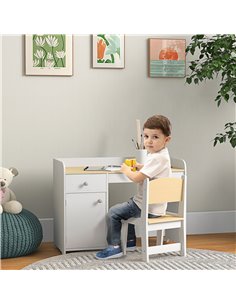
Primary school children (ages 4-7) need desks that accommodate their developing motor skills and shorter attention spans. Lower height ranges suit smaller bodies, whilst simple designs without excessive features prevent overwhelming young minds. Built-in storage helps establish early organisational habits, though avoid complex filing systems they can't manage independently. Wipe-clean surfaces prove invaluable during the painting, gluing, and occasional snack-smuggling phases.
 Junior school pupils (ages 7-11) require more sophisticated setups as homework demands increase. Multiple storage compartments organise different subjects' materials, whilst slightly larger work surfaces accommodate growing project sizes. This age group benefits enormously from desks with integrated bookcases or hutches, keeping reference materials visible and accessible. Consider adding task lighting as reading requirements intensify.
Secondary school students (ages 11-16) need full-sized workstations comparable to adult desks. Computer accommodation becomes essential as coursework shifts increasingly digital. Cable management systems handle chargers, lamps, and various electronic devices. Generous surface area supports simultaneous use of laptops, textbooks, and note-taking materials—modern studying rarely involves single tasks. Aesthetics matter significantly to teenagers, so involve them heavily in selection processes.
Learning styles dramatically influence ideal desk configurations. Visual learners thrive with pin boards or magnetic surfaces displaying information at eye level. Kinaesthetic learners who fidget whilst thinking appreciate spacious surfaces allowing movement and hands-on activities. Auditory learners benefit from desks positioned to minimise household noise distractions, perhaps with space for noise-cancelling headphones.
Shared bedrooms present unique challenges requiring creative solutions. L-shaped configurations maximise corner space whilst providing separate work zones. Back-to-back arrangements with dividers create individual territories within shared rooms. Matching desks maintain visual harmony whilst respecting each child's personal space and organisational preferences.
Creating an Amazing Study Environment That Boosts Concentration
Desk positioning influences productivity more than expensive ergonomic chairs or fancy accessories. Natural light dramatically improves focus and reduces eye strain—position desks perpendicular to windows rather than directly facing them to prevent glare on screens. Avoid placing desks opposite beds, which subconsciously associate study spaces with rest rather than work. Consider room traffic patterns; desks near doorways suffer constant interruptions from passing family members.
Lighting layers create optimal working conditions throughout varying daylight hours. Overhead lighting provides general illumination, whilst adjustable desk lamps direct focused light precisely where needed. LED bulbs offer excellent colour rendering for reading whilst consuming minimal energy. Dimmer switches allow adjustment as natural light fades, preventing the harsh transitions that signal tired eyes it's time to stop working.
Seating completes the ergonomic equation. Adjustable chairs match height-adjustable desks, maintaining proper posture as children grow. Lumbar support matters even for young spines—slouching habits formed early persist into adulthood. Swivel functions and wheels facilitate easy movement, though consider locking casters if your child treats chairs like amusement park rides. Breathable mesh backs prevent sweaty discomfort during lengthy study sessions.
Organisational accessories transform desks from flat surfaces into functional command centres. Desktop organisers corral small items that otherwise scatter across entire surfaces. File holders keep current projects accessible without creating overwhelming clutter. Pen pots, letter trays, and cable organisers each serve specific purposes in maintaining order. Resist over-accessorising though—too many organisational tools paradoxically create visual chaos.
Personalisation encourages desk ownership and regular use. Allow children to display favourite items, artwork, or motivational quotes within reason. Bulletin boards showcase achievements whilst keeping important reminders visible. Drawer organisers in chosen colours make tidying more appealing. Balance personality expression with functional workspace—desks shouldn't resemble cluttered mantlepieces.
Technology integration reflects modern educational realities. Monitor stands or laptop risers improve screen positioning, reducing neck strain during online learning. USB charging hubs keep devices powered without occupying limited plug sockets. Headphone hooks prevent tangled wires and accidental damage. Webcam covers address privacy concerns during virtual lessons.
Room for growth ensures your investment remains relevant as needs evolve. Modular systems allow adding components as requirements change—perhaps starting with a simple desk then incorporating hutches or side storage later. Timeless designs transcend temporary trends, remaining appropriate from primary school through university years. Quality construction justifies higher initial costs through extended usability across multiple children or life stages.
 Maintenance simplicity keeps study spaces functional long-term. Regular surface cleaning prevents sticky residue accumulation from countless snacks and craft projects. Periodic hardware tightening maintains stability as daily use gradually loosens connections. Teaching children basic desk care builds responsibility whilst protecting your investment. Removable, washable accessories simplify deep cleaning without requiring furniture replacement.
Budget considerations needn't compromise quality. Mid-range options from established brands often deliver excellent value, balancing durability with affordability. Seasonal sales present opportunities for significant savings on quality pieces. Consider slightly smaller or simpler versions of premium designs rather than large, poorly constructed alternatives. Remember that adequate initial investment prevents replacement costs and supports better study habits through superior functionality.
Your child's desk becomes their personal headquarters for learning, creating, and growing. Choose thoughtfully, considering both immediate needs and future requirements. The perfect children's study desk doesn't just hold books and papers—it builds confidence, encourages independence, and creates a dedicated space where young minds flourish. Take time exploring options, involve your child in decisions, and select furniture that truly supports their educational journey. The difference between adequate and exceptional study furniture manifests in homework completion rates, creative project enthusiasm, and those precious moments when you find them voluntarily sitting at their desk, absorbed in learning something fascinating.